LED lights are a great way to save energy and money on your electricity bill. They are also durable and have a wide range of uses, making them an excellent choice for both residential and commercial properties. However, installing LED lights can be a little tricky for those who are not familiar with the process. This guide is designed to help you understand the basics of LED light installation and give you the information you need to get started.
Types of LED lights
There are many different types of LED lights available on the market today. Some of the most common types include:
Bulbs: these are the most common type of LED lights and are used in a wide range of luminaires. They can be used instead of traditional incandescent and halogen bulbs and are available in a wide range of sizes and shapes to fit any light.
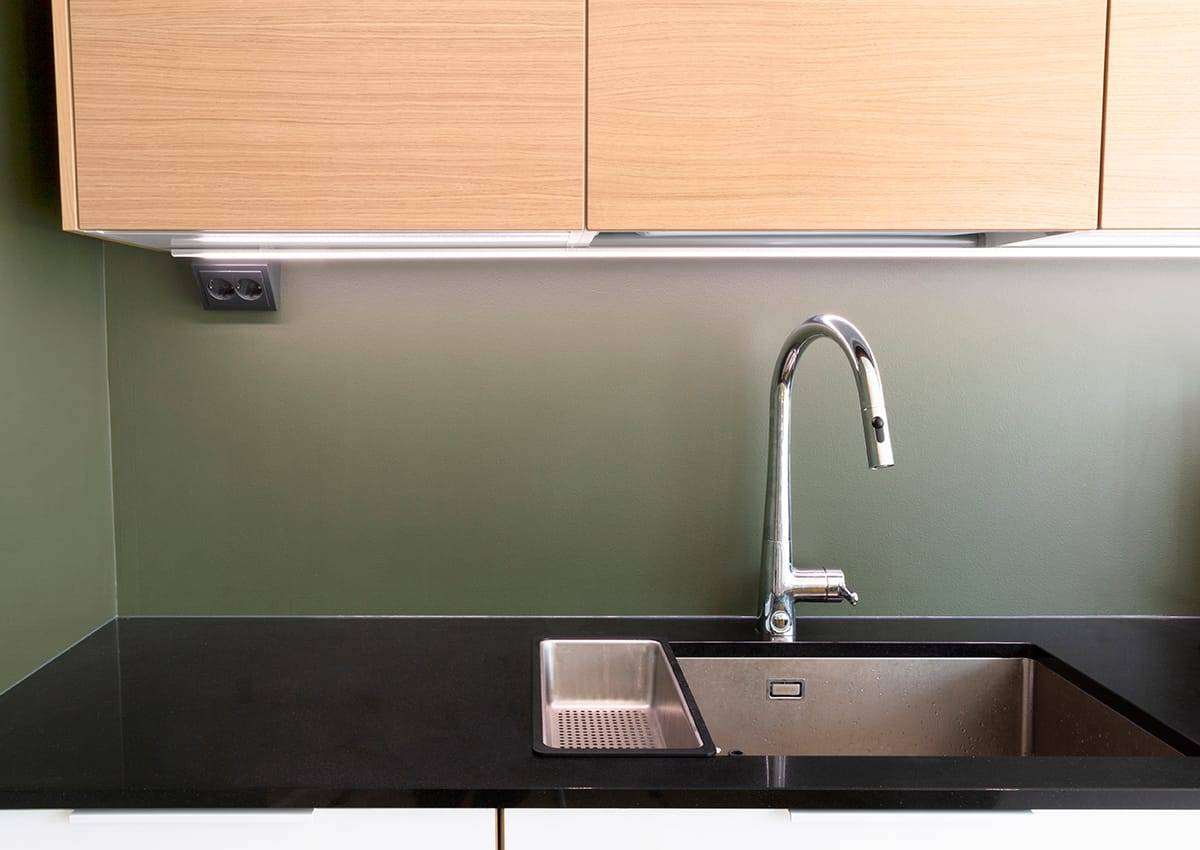
Led striplights: stripstrip lights are a popular choice for under-cabinet lighting and other similar applications. They can be cut to size and are easy to mount with tape or clips to the aluminium profile supplied.
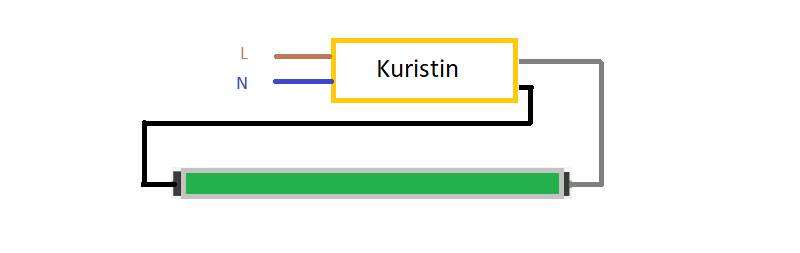
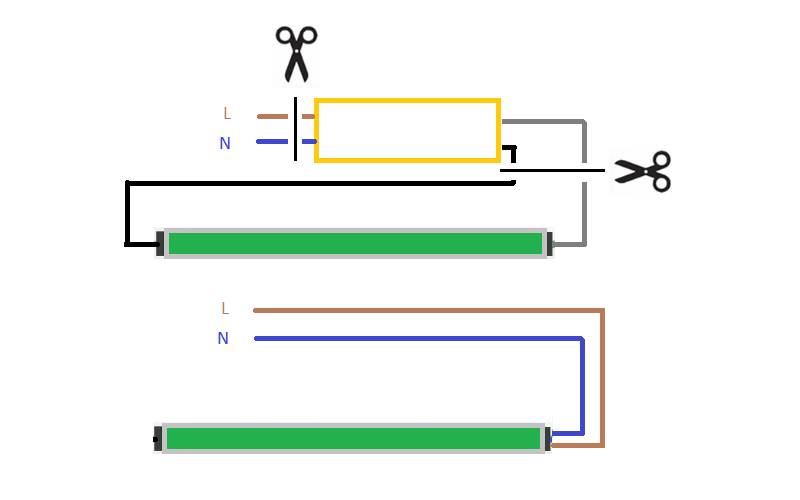
Tubes: LED tube lights are an excellent choice for lighting large areas such as garages, workshops and warehouses. They are also a popular choice to replace traditional fluorescent lights.
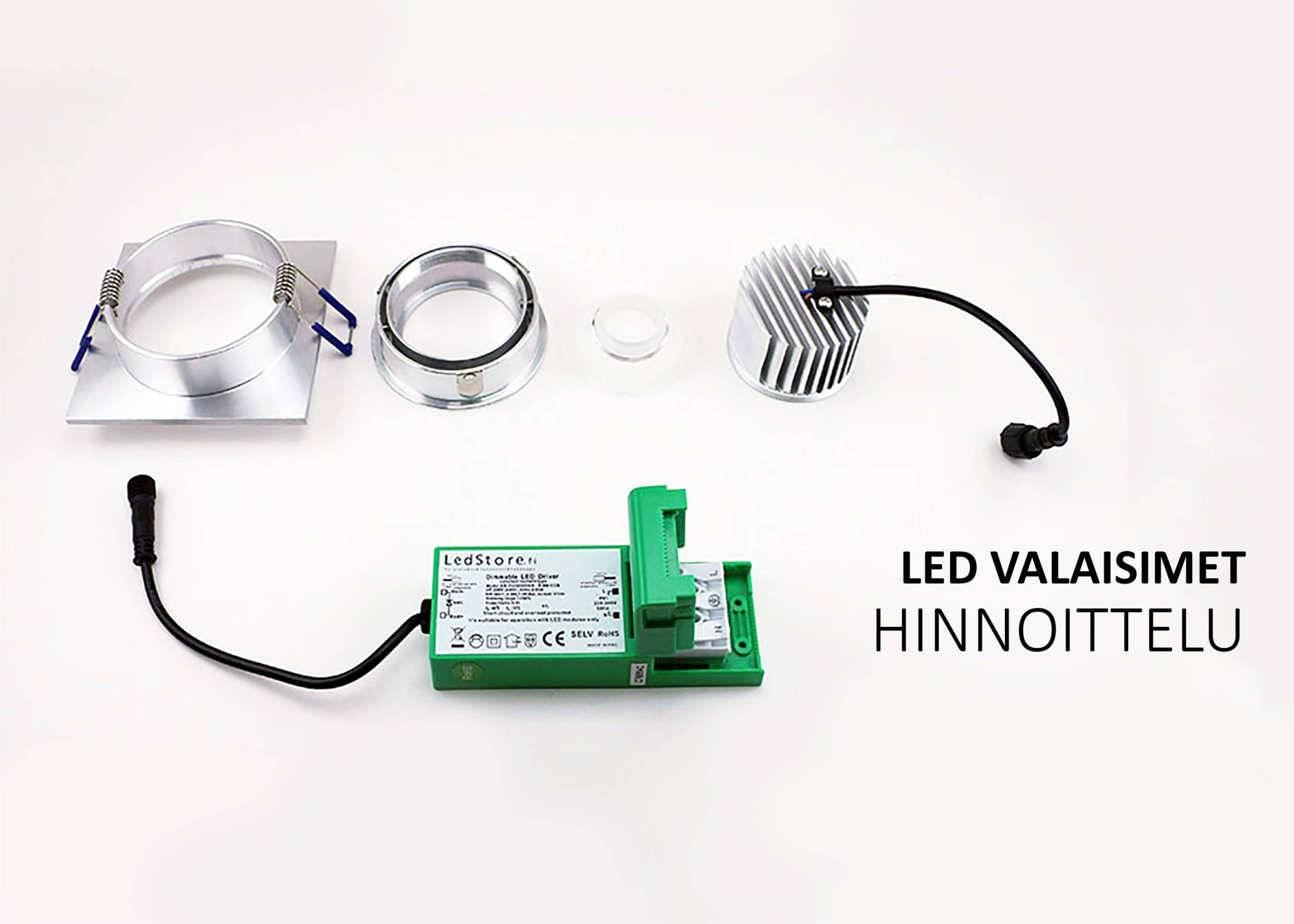
Downlights: LED downlights are a popular choice for lighting specific areas such as kitchens, bathrooms and living rooms. They are available in a wide range of sizes and styles to suit any interior.
Planning the installation
Before you start installing LED lights, it is important to plan the project. This includes determining the type of lights you need, the number of lights you need and the location of each light. It is also important to consider the wiring and electrical requirements of the project.
In lighting, the terms "ensio" and "second half" are often used, which are also known as "strong current" and "weak current". The primary side is the mains voltage 110-230V and the secondary side is the voltage after the transformer, which the consumer can handle himself.
You can't always do everything yourself, as some of the work may be electrical work, read the TUKES instructions.
Remember that LED lights often require a different type of dimmer, so be sure to check the compatibility of the dimmer with the LED lights you are using.
Tools and materials for installation
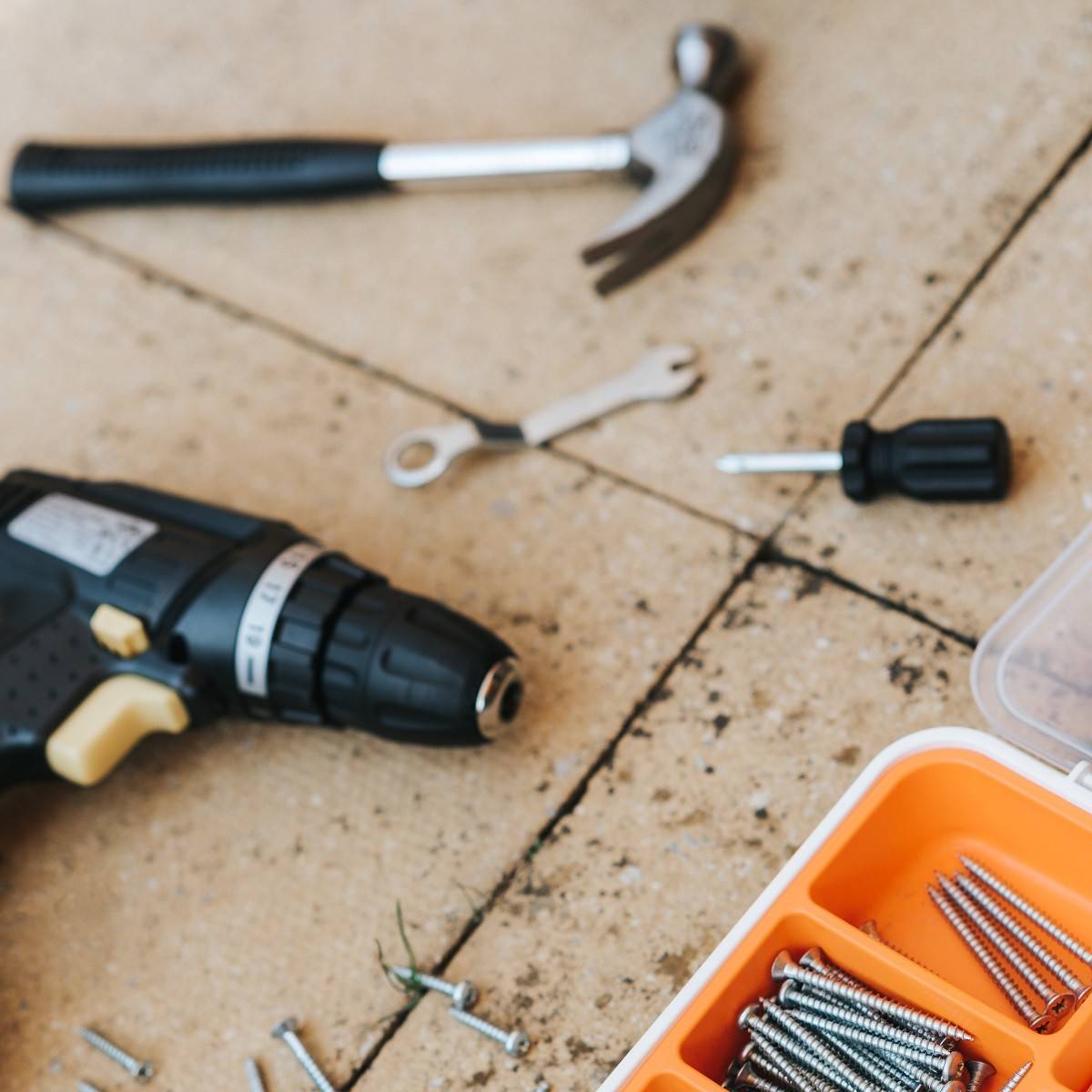
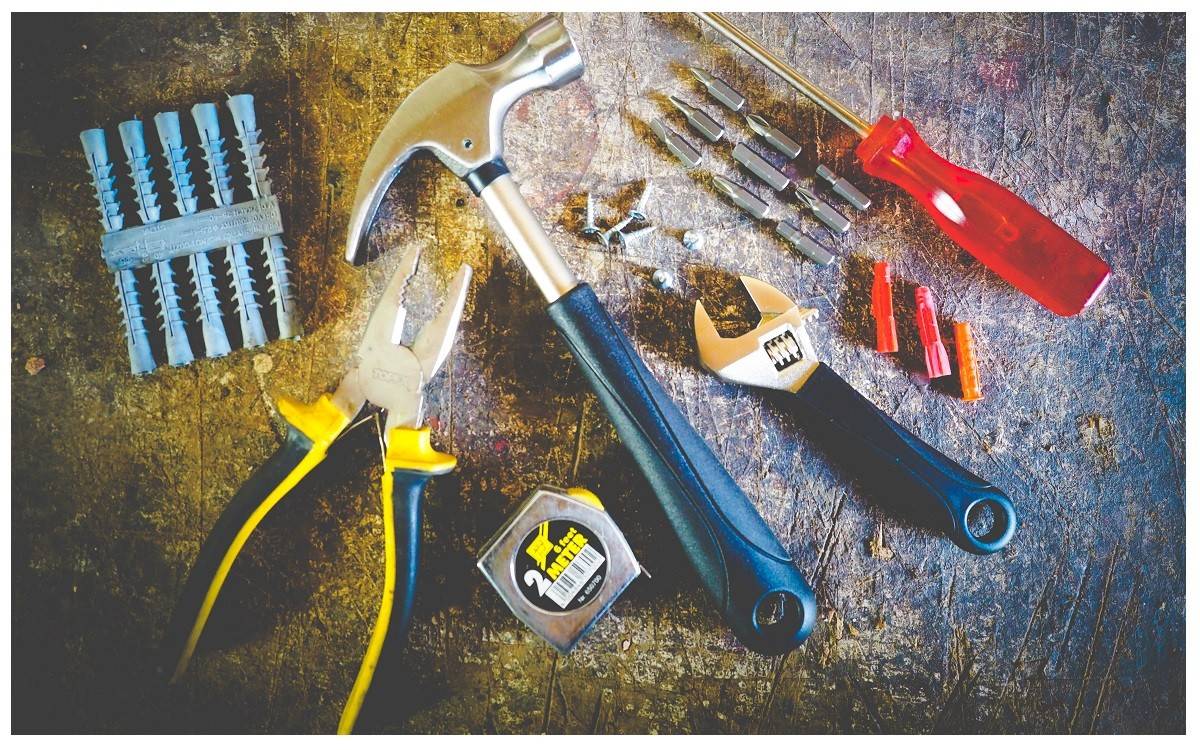
Tools for the installation of lights. Copyright Pexels
To install a variety of LED lights, you need a few basic tools and materials. You don't need tools to change a bulb, but more tools are needed for recessed lights or LED strip lighting. These include:
Wires and electrical accessories
Drill and drill bits
screwdriver
Exfoliating tweezers
Voltage tester
Dimmer (if applicable)
Plus LED lights to be installed.
Installing Led lights - bulbs
The installation of LED bulbs is simple if they use mains power (230V). The installation procedure for bulbs is usually as follows:
Switch off the power.
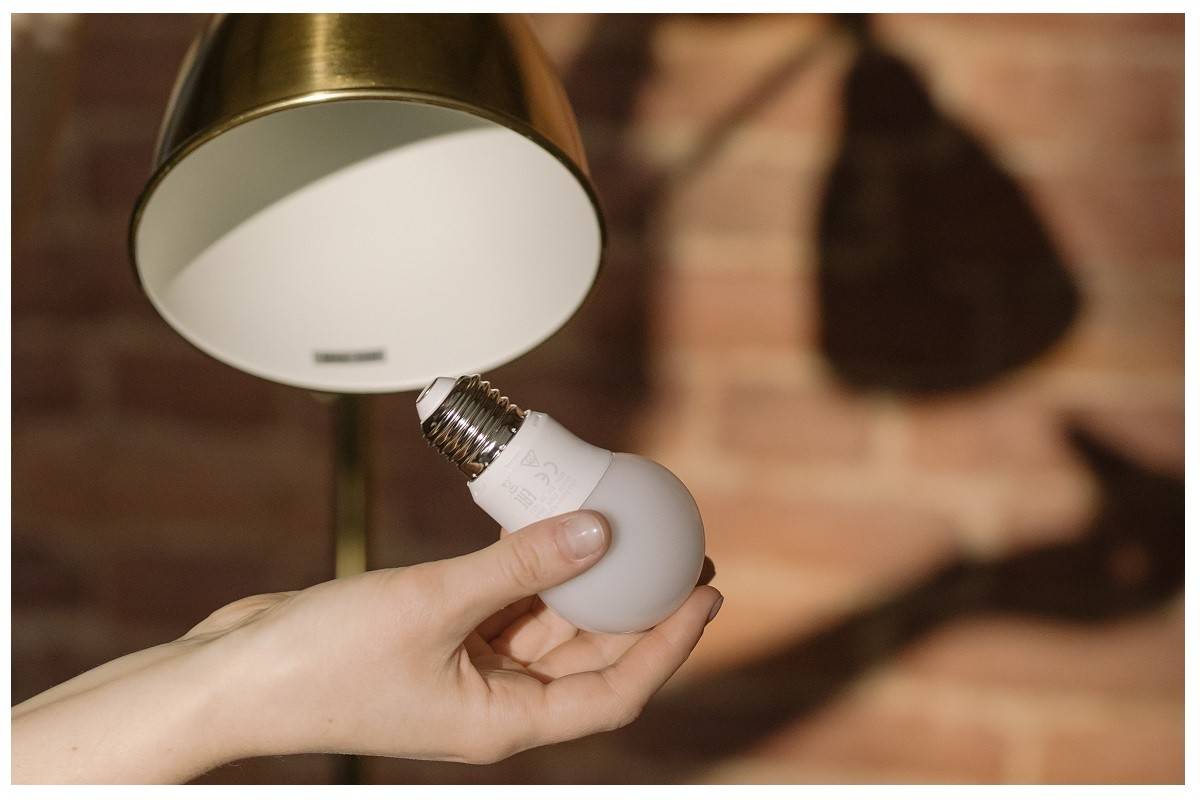
Remove the bulb.
Screw the new LED bulb in place.
Turn the power back on and test the lights to make sure they work properly.
Replacing the bulb. Copyright Pexels
Low voltage bulbs 12/24V
Low voltage bulbs such as MR16 (GU5.3) present their own challenge. The following points should be taken into account with these:
Possible transformer replacement, because halogen transformers have for example an operating range of 40-200W. As a result, although the 3x35W bulbs (105W) worked fine before, the low consumption led bulbs 3x6W (18W) do not meet the minimum transformer load of 40W, so the lights will not turn on. For this reason, it is often necessary to replace the driver. Call an electrician.
Troubleshooting led bulbs
If you are having trouble getting your LED bulbs to work, check the following:
Check the wiring connections to make sure they are good and secure.
If the lights are flashing, make sure they are compatible with the dimmer.
Check the voltage of the lights to make sure they are receiving the right amount of current.
And as mentioned above, check the transformer minimum load is met (MR16).
Once the tools and materials are ready, it's time to start installing the LED lights. The installation process will vary depending on the type of lights you use, but the basic steps are the same.
Turn off the power in the area where you are going to work.
Use a drill and a drill bit to make holes for the lights.
Run the wires through the holes and connect them to the lights.
Fix the lights to the ceiling with their springs.
Turn the power back on and test the lights to make sure they work properly.
Lower lights do not come on, troubleshooting
If you're having trouble getting your LED lights to work, there are a few things you can try.
Check the wiring connections to make sure they are good and safe (take the voltage off).
If the lights are flashing, make sure they are compatible with the dimmer.
Check the voltage of the lights to make sure they are receiving the right amount of current.
Summary
Installing LED lights can be a little daunting for those who are not familiar with the process, but with the right tools and a little knowledge it is a relatively simple task. Considering the energy savings and long-term benefits of LED lights, it's well worth the effort. Always remember to switch off the power before carrying out any electrical projects and contact a professional if you have any doubts or concerns. This guide will help you to install basic LED lights well.
In addition to energy and cost savings, LED lights also increase safety by generating less heat, which reduces the risk of fire. They are also more durable, have a longer lifespan and require less maintenance or replacement.
In residential applications, LED lights can be used in different areas of the house, such as the kitchen, living room, bedroom and even the bathroom. They can be used to highlight works of art, accentuate architectural features and provide task lighting. They can also be used to create a cosy atmosphere in the living room or a relaxing ambience in the bedroom.
In commercial applications, LED lights can be used in a variety of environments such as retail stores, offices, warehouses and more. They can be used to improve visibility, increase safety and create a more professional atmosphere. Especially in stores, it is VERY worthwhile to have an electrician do the conversion work and replace all the LED tubes with fluorescent tubes.
It is important to remember that proper installation and maintenance are key to getting the most out of LED lights. Make sure you follow the manufacturer's instructions, use the correct tools and materials and consult a professional if necessary. With the right approach, LED lights offer energy savings, improved safety and a beautiful lighting solution for years to come.
LedStore has been an expert in LED lighting and lighting design for homes and offices since 2010. We have our own product design, and we manufacture LedStore products with selected producers, so the products are technically top class. We focus on temperature-controlled and high colour rendering (CRI) lights for general and task lighting.
We do around 500 lighting designs for our clients' sites, improving the usability and comfort of their spaces. Read more here or order a design. We offer a service of custom-made LED strip lights, i.e. for all home and office spaces, individual, made-to-measure LED strip lights in aluminium profile. Also installed.
We serve builders and renovators, from consumers to contractors, wholesalers and designers. Our store, where all our lights can be seen installed, is located in the well connected Koivuhaas area of Vantaa, Mesikukantie 16, 01300 Vantaa.