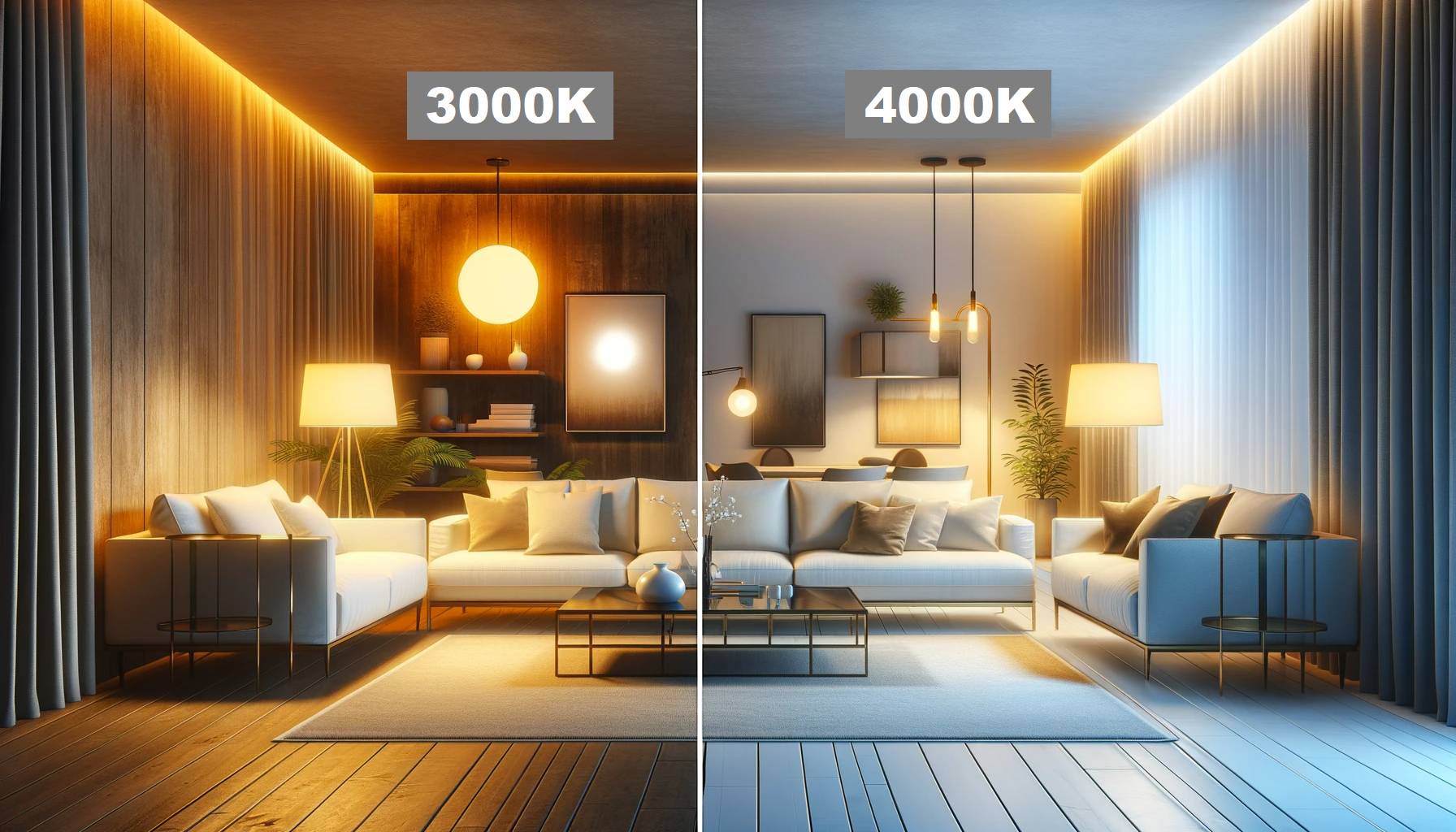
When you want to create the right mood, choosing between 3000K vs 4000K light colour temperatures can be a very subtle decision. If you like a cosy and inviting atmosphere, you'll find that 3000K lights create a warm white glow, perfect for living rooms and bedrooms.
On the other hand, 4000K lights offer the most neutral white, which is refreshing and ideal for offices and kitchens. It's all about what feels right for you and complements your interior. Remember that the lighting you choose will set the scene for your daily activities, so consider how the choice of each colour temperature can enhance the functionality and ambience of different spaces.
Main issues 3000K vs. 4000K
- Colour temperature, measured in degrees Kelvin, affects the atmosphere and functionality of a space.
- 3000K lighting creates a warm white glow, perfect for cosy and relaxing spaces such as living rooms and bedrooms.
- 4000K lighting provides a cooler and more neutral white light, suitable for areas where good visibility and a refreshing environment are needed, such as kitchens and home offices.
- The choice of lighting temperature has a significant impact on the atmosphere and the immediate feeling of entering a space, so it is important to take into account the functionality and colour scheme of the space when choosing lighting.
Basics of colour temperature
By understanding the colour temperature of light, you can create a more inviting atmosphere in your home by choosing the right lighting. Whether it's a warm glowing 3000K or a bright, crisp 4000K.
The colour temperature of light, measured in Kelvin (K), is an important factor in shaping the mood and functionality of a space. When natural light is not available, the right artificial lighting becomes even more important.
3000K - Warmth and cosiness
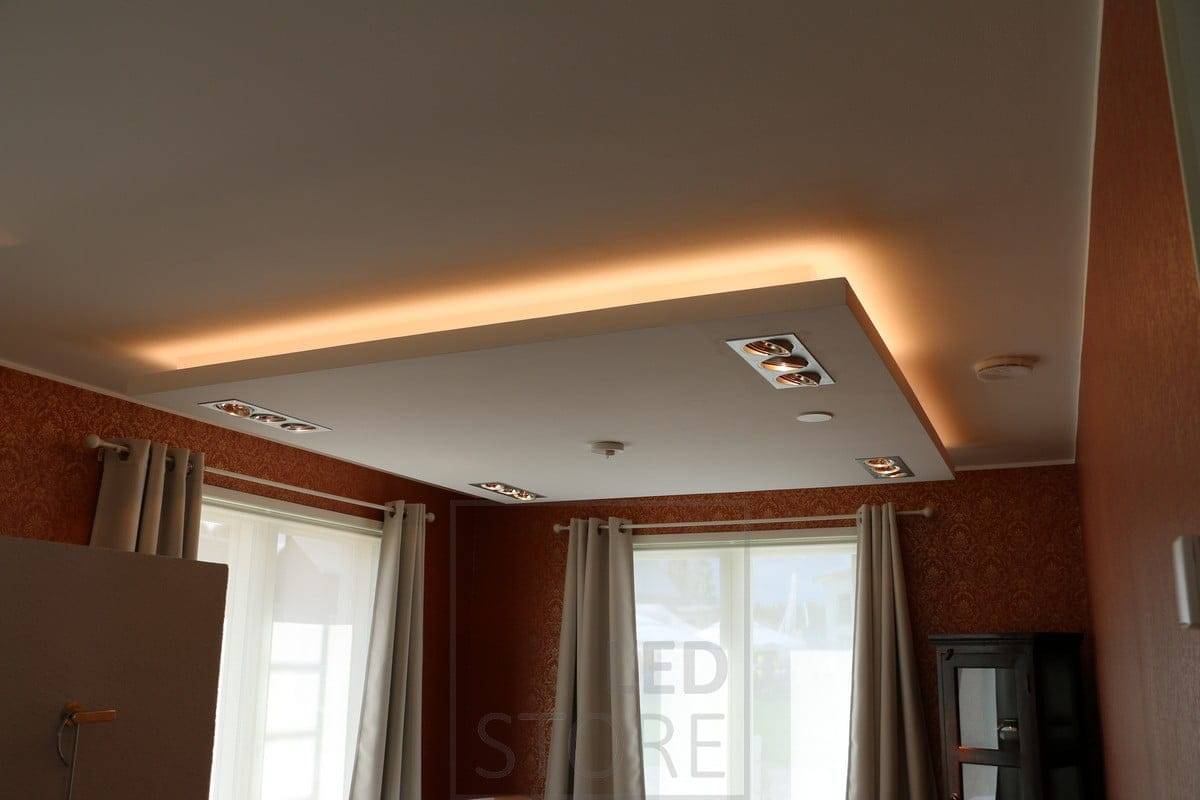
With 3000K lighting, you can enjoy a cosy atmosphere, perfect for relaxation. It has a warm white shade and is ideal for living rooms and bedrooms where the soft and inviting light adds comfort.
4000K - Neutral light
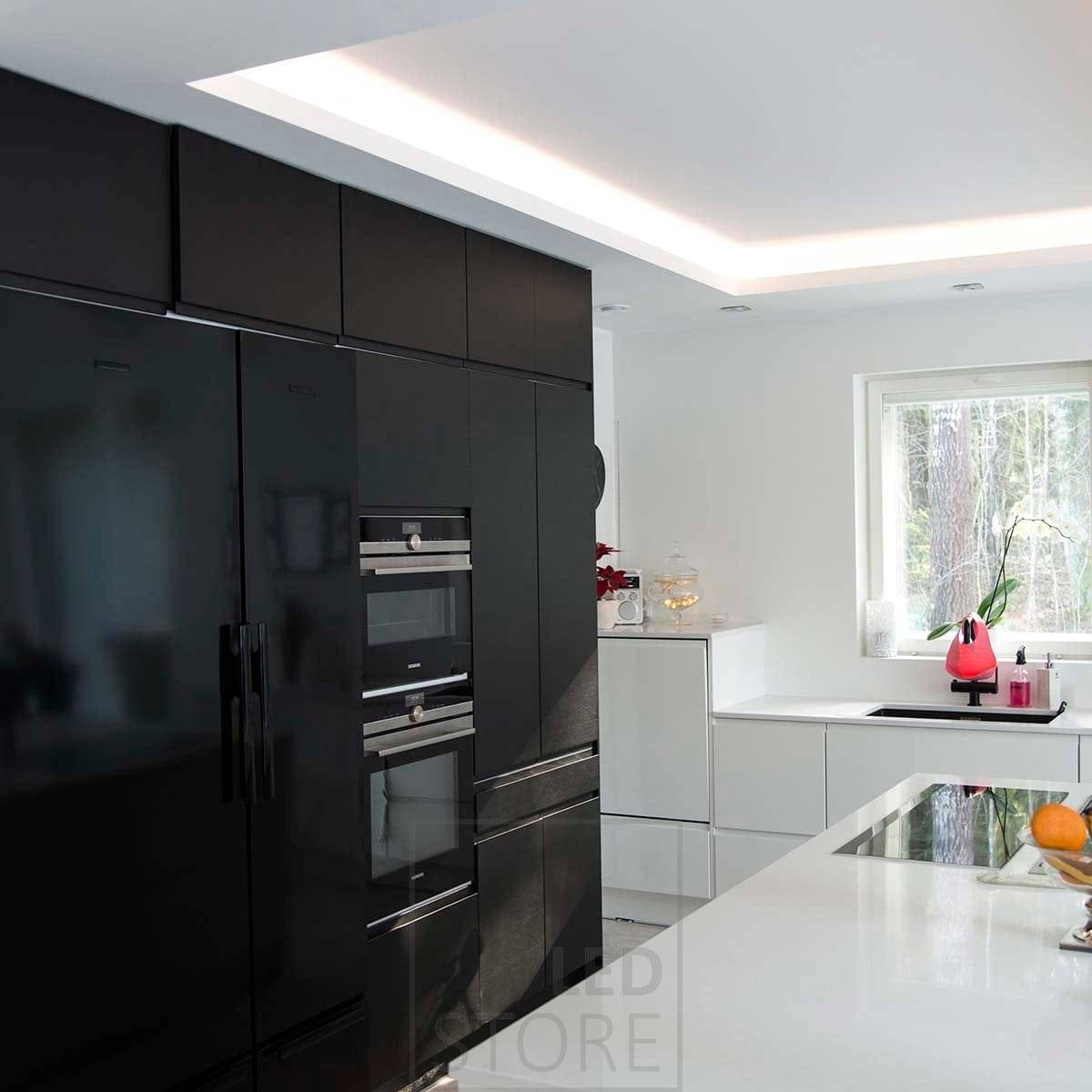
On the other hand, 4000K offers a more neutral and energetic light. It is the choice for areas where attention to detail and clarity are important, such as home offices and kitchens.
There is no one right solution when choosing a colour temperature. Your personal preference, the colour scheme of the room and its purpose will influence your choice. Fortunately, modern lighting solutions also allow for colour temperature control (CCT).
LED lights can have a wide range of shades, allowing for flexibility and customisation. By adjusting the colour temperature of the light, you can create the perfect mood for every moment, whether you're hosting a dinner party or getting ready for a quiet evening.
The impact of lighting on the atmosphere is significant.
The effect of lighting on the atmosphere is noticeable when you enter a room; it's the immediate feeling that a place evokes. The warm light brings a sense of comfort and intimacy, perfect for areas where you want to relax. It's the magic of 3000K light that envelops a space in a cosy atmosphere.
On the other hand, if you're looking for a refreshing and energising atmosphere, the clearer and more balanced 4000K light is your ally. It's perfect for spaces where focus and clarity are important, such as a home office or kitchen. The colour temperature of light plays an important role in shaping these experiences.
Understanding the interaction between colour temperature and mood allows you to create the desired mood in any space.
With CCT adjustable, you can even adjust the colour temperature of the light to suit your current needs or activities between around 2500 Kelvin and 6 500 Kelvin. So don't underestimate the power of light tone to create the perfect mood. Whether 3000K or 4000K, choose the right light colour temperature to enhance your mood and experience.
Choosing lighting for different spaces
The choice of light colour temperature can be the cornerstone of any room's functionality and ambience, whether it's a cosy alcove or a busy workspace. The colour temperature of light, whether it is 3000 K or 4000 K, has a significant impact on how you experience and act in a space. When considering the choice of lighting for different spaces, it is important to understand the mood and practicality you want.
Here are some scenarios to help you decide between 3000K vs. 4000K
- 3000 K: Ideal for living rooms and bedrooms where warm and inviting light promotes relaxation.
- 4000 K: Perfect for kitchens and home offices where a brighter, more refreshing atmosphere is needed.
- Adjustable light colour temperature: for rooms where you want to adjust the atmosphere according to different activities, such as multi-purpose rooms.
If you want flexibility and want to adjust the colour temperature of the light, look for lights that allow you to adapt the light to your needs. Check out our article here.
The colour temperature of a light can often be adjusted using the lights' controls. Remember also that the reflective surfaces in the room and their colours affect the light. Choose a colour temperature that not only suits the function of the room, but also complements its design and your own preferences. Each choice should serve the desired mood and need, ensuring that your space is perfectly lit.
Energy efficiency and LEDs
In LedStore luminaires, LEDs are designed to provide excellent energy efficiency. Whether you prefer the warm glow of 3000K LEDs, perfect for living rooms and bedrooms, or the brighter and more accurate 4000K light ideal for kitchens and work spaces, you'll be making a cost-effective choice.
It is important to note that not all ceiling lights in your home will be the same shade. Choosing the right colour temperature and colour control for your space is crucial to creating a uniform lighting environment. The colour of light you choose can harmonise with your interior design, improve the look of your home and also contribute to a greener planet by reducing energy consumption. So make a smart choice for both aesthetics and the environment.
Frequently asked questions
How does the lifetime of 3000K vs. 4000K light sources compare?
The temperature of the light has no effect on the durability of the light.
How does 3000K vs 4000K lighting affect colour perception in art galleries or museums?
In art galleries or museums, 3000k and 4000k lighting can affect how you perceive colours. The gallery design emphasises colour rendition index values for accurate display of art objects. The mood of the lighting matters; 3000k provides warmth, highlighting reds and yellows, while 4000k provides neutral whites, which is useful for comparing colour tones. The importance of contrast, light distribution in space and glare control are important in exhibition lighting techniques for optimal lighting of visual art.
The optimal solution for galleries is colour temperature controlled lighting. This allows you to precisely adjust the light shade to the needs of even the most hard-of-hearing works.
Are there smart lighting solutions that allow you to adjust the colour temperature of the light between 3000K and 4000K?
Yes, there are smart lighting solutions that allow you to adjust the hue temperature between 3000K and 4000K. These systems use adjustable white technology and intelligent control interfaces to offer you customisation options to improve your indoor comfort. User-friendly apps allow you to easily change the temperature settings of the shade to create a mood. Such automation integrates seamlessly into smart homes, providing both comfort and efficient comparison of energy consumption.
How does the colour temperature of lighting affect plant growth indoors?
Choosing the right lighting is like serving your plants a gourmet meal. A wavelength of 3000 K can improve leaf health and root development, while 4000 K can increase the colourfulness of flowering. Photosynthesis in your indoor garden thrives under the right intensity and distribution of light. Spectral analysis ensures that plants receive the necessary wavelengths for optimal growth. Remember that circadian rhythms have a significant influence; plan your lighting according to the natural cycles of your plants for the best growth optimisation.
Conclusion
After all, you are the artist of the atmosphere of your home, painting with light as Van Gogh did with the starry skies. Whether you choose the relaxing 3000K or the attention-grabbing 4000K, it's your piece. LED efficiency is just the cherry on top, ensuring your masterpiece is not only stunning, but also kind to your wallet and the planet.