EN 12464-1 is Europe's key standard for indoor workplace lighting. In this combined guide we go through the principles of light quantity ( lux & lumen), UGR , colour rendering and human-centric lighting. You'll also get space-specific recommendations for home and work environments, guidelines for selecting light types (opening angles, panels, indirect light) and practical measuring and sizing tips.
What does "amount of light" mean? (Lumens and lux, quick recap)
- Lumen (lm) = total light produced by a light source.
- Lux (lx) = light incident on a surface; 1 lx = 1 lm/m².
| Term | Definition | Use |
|---|---|---|
| Lumen | Total luminous intensity of the light | Comparison of lamps/lights |
| Lux | Lighting that hits the surface | Target level of space/workspace |
EN 12464-1 - what does the standard prescribe?
- Scope: interior workplaces and visual tasks (offices, educational institutions, industry, healthcare, shops).
- Requirement groups: luminous intensity (lux ), uniformity, glare (UGR), colour rendering ( CRI/Ra), plus minimums for wall, ceiling and cylinder lighting .
- UGR limits: offices ≤ 19, precise craft/CAD ≤ 16. At home, aim for ≤ 16-19 in reading and working ranges.
- Human-centric thinking: in the spirit of the standard, daylight harvesting and adjustable lighting (dimming, CCT) are favoured.
Human-centric lighting closely
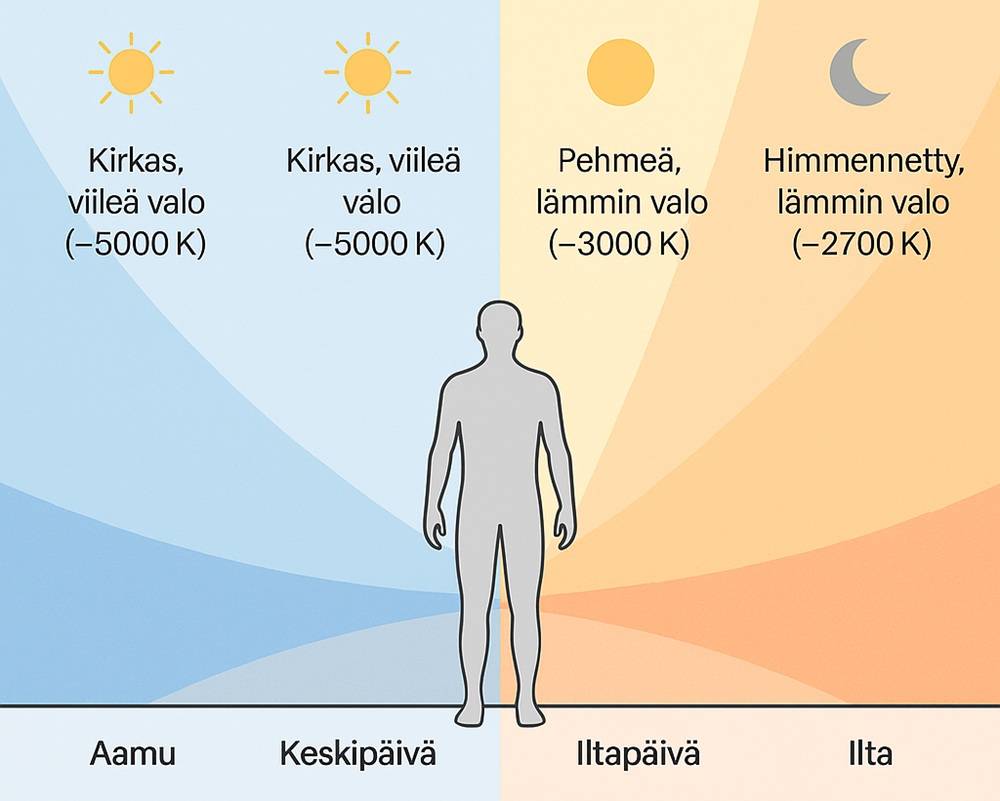
Dynamic lighting supports the circadian rhythm: brighter and cooler in the morning, dimmer and warmer in the evening. Adjustability (dimming, CCT 2700-5000 K) + daylight control improve well-being and work performance.
Biological and psychological effects of light
Light not only affects how well we see, but also has a profound effect on our biological rhythms and psychological well-being. The EN 12464-1 standard emphasises that lighting must not only support the visual comfort and safety of the user, but also their well-being and productivity. The intensity, spectrum and distribution of light can affect, among other things, alertness, concentration and mood.
Bright, bluish light in the morning can help boost alertness and support circadian rhythms, while warm, dim light in the evening prepares the body for rest. Studies show that the wrong kind of lighting can cause eye strain, headaches and even sleep disturbances. Standardised design takes these effects into account and ensures that lighting supports both vision and overall well-being.
The role of daylight and adjustable lighting
EN 12464-1 recommends using daylight as the primary light source wherever possible. Daylight provides a broad spectrum, high colour rendering and variable intensity that supports natural circadian rhythms and mood. Large window surfaces, glass walls and light-reflecting surfaces help maximise the use of daylight indoors.
When daylight is insufficient, adjustable artificial lighting is key. Dimmable and CCT (Correlated Color Temperature) lights allow you to adapt lighting to the time of day and activity. For example, offices can benefit from brighter, cooler light in the morning and warmer, softer light in the afternoon and evening. Such dynamic lighting supports work performance, well-being and comfort in line with the objectives of the standard.
What is UGR? - glare and its importance in lighting
UGR ( Unified Glare Rating) is an international standard that measures the glare caused by artificial light indoors. It provides a numerical measure of how disturbing lighting is perceived from a given viewing point. The lower the UGR, the less glare and the better the lighting comfort.
Why is the UGR important?
Too high a UGR can cause eye strain, concentration problems and even increase the risk of accidents. Good lighting design aims to minimise glare, making working and staying comfortable and safe.
How is the UGR calculated?
UGR is an objective measure based on a complex formula.
UGR = 8 × log₁₀ ( Σ ( L² × ω / p² ) / 0.25 )
where:
L = luminance of the light (cd/m²)
ω = fixed angle of the light from the point of view (in steradians)
p = Guth's position parameter (looking into the light)
Σ = sum of all visible lights
Note: The formula is based on the CIE (Commission Internationale de l'Éclairage) definition and can be used in lighting design to calculate the UGR.
The UGR formula takes into account:
- Luminance (brightness) of the light in the viewing direction
- Background lighting level
- Size of the light in relation to the viewing point
- Viewing angle and distance
It is important to understand that UGR is not just a feature of a light. The same light can have a different UGR depending on the room, the mounting height and the overall lighting.
Declared UGR value of the light
However, the lighting industry has standardised values and when a UGR value is stated on the sales packaging of a light , it is not "universal" in all situations, but is usually calculated or measured under standardised conditions to allow comparison between different products.
The standard mode used is based on the recommendations of the CIE (Commission Internationale de l'Éclairage) and is described in standards such as EN 12464-1 and CIE 117-1995. Typical assumptions are:
- Room size 10,8 m x 21,6 m x 2,7 m
- Work surface height 0,85 m
- Viewing direction: 1.5 m, 15 degrees downwards
- Placement of lights: according to the standard, evenly spaced
- Background lighting taken into account in the calculation
- Reflectance coefficients of materials:
- Roof 70%
- Walls 50%
- Flooring 20%
UGR in practice
The UGR is influenced by the following factors:
- Light optics (diffuser, lens, honeycomb)
- Installation height and viewing direction
- Colour and reflectivity of room surfaces
- Total lighting (other backlighting)
These are all individual and therefore lighting should always be designed according to the space and purpose, not just the specifications of a single light.
Examples of UGR values for different lights
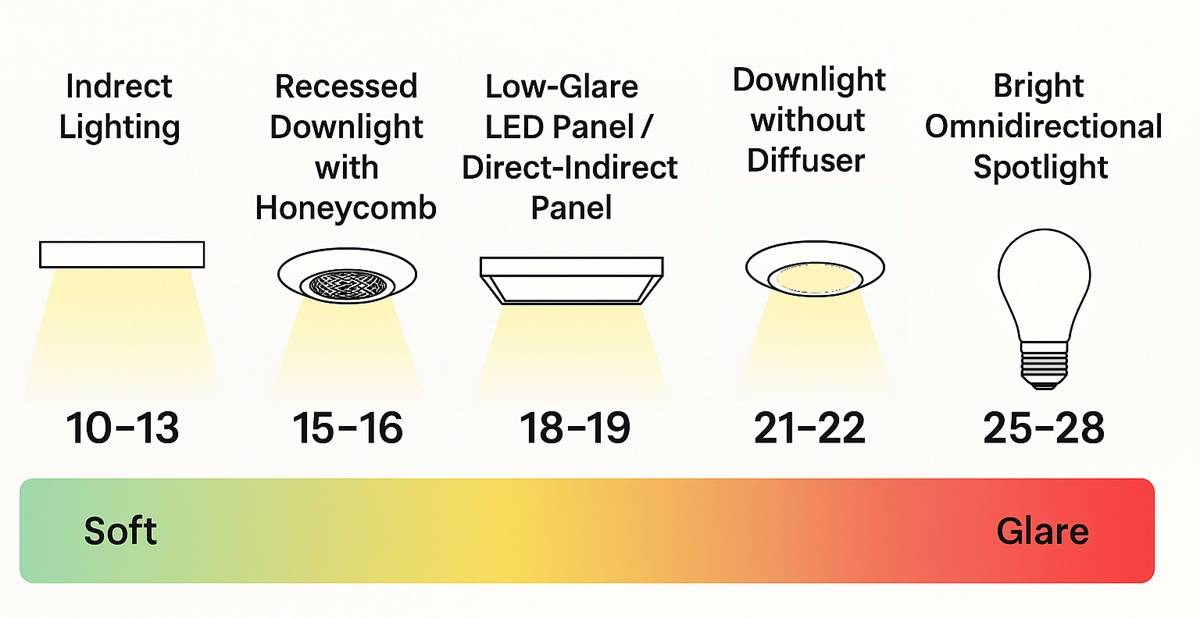
Here are 5 concrete examples of different levels of UGR ( low to high), with indirect lighting and a bright omnidirectional spotlight at the extremes.
| UGR value | Type of lighting | Example | Description of the effect |
|---|---|---|---|
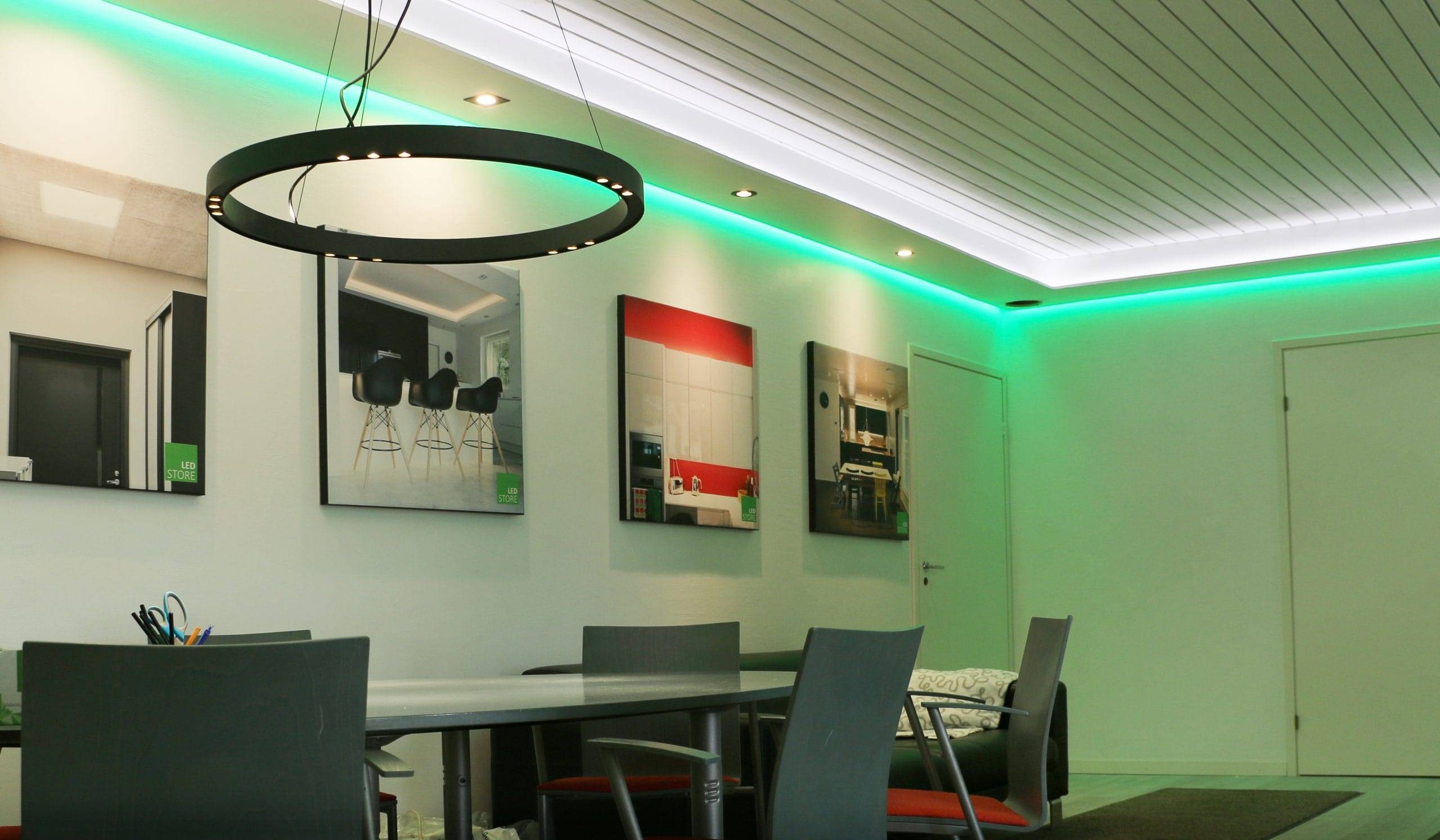
| UGR 10-13 | Indirect lighting | LED strip on the ceiling reflects light through the walls and ceiling | Very soft and glare-free light, optimal for lounge and relaxation areas, minimal eye strain. |
| UGR 15-16 | Deep recessed downlight + honeycomb grid | Downlight with 90-110° diffuser and black honeycomb cell | Suitable for close work and home office; glare well controlled, yet light enough. |
| UGR 18-19 | Low-glare LED panel | Opal or microprismatic optics, 80-100° wedge | A universal solution for offices and schools; comfortable general lighting for display screen work. |
| UGR 21-22 | Spotlight without diffuser | Narrow wedge 30-45° without glare shield | Can be used for target lighting, but the light is already a bit distracting from the line of sight. |
| UGR 25-28 | Bright omnidirectional spot lamp | Bare LED spot or halogen lamp in low installation | Highly dazzling; suitable for special use only (highlight, effect), not for permanent living or working space. |
The lower the UGR, the more pleasant the lighting for a long stay. UGR values above 22 should be limited to momentary use or accent lighting.
For light-sensitive people, lighting should always be designed using indirect light, with the addition of spots where the light source is recessed.
UGR and opening angles for luminaire types in the 2,6-3,0 m space
LED panels
A typical LED panel is a so-called Low-glare panel ( UGR<19) even if the light has a so-called microprima<16): LED panels are good for offices and home offices. LED panel lights have a wide opening angle of 80-110°.
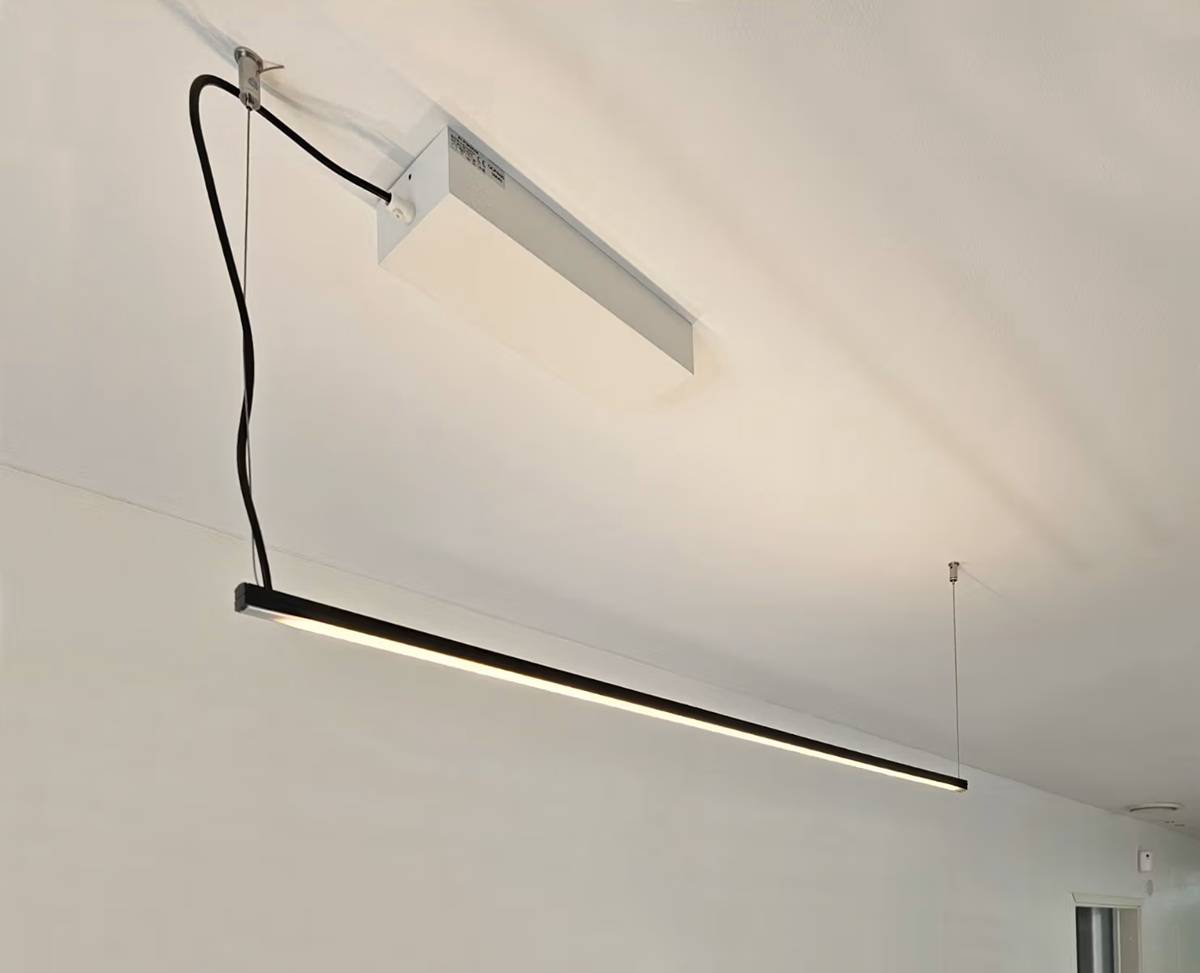
Hanging lights
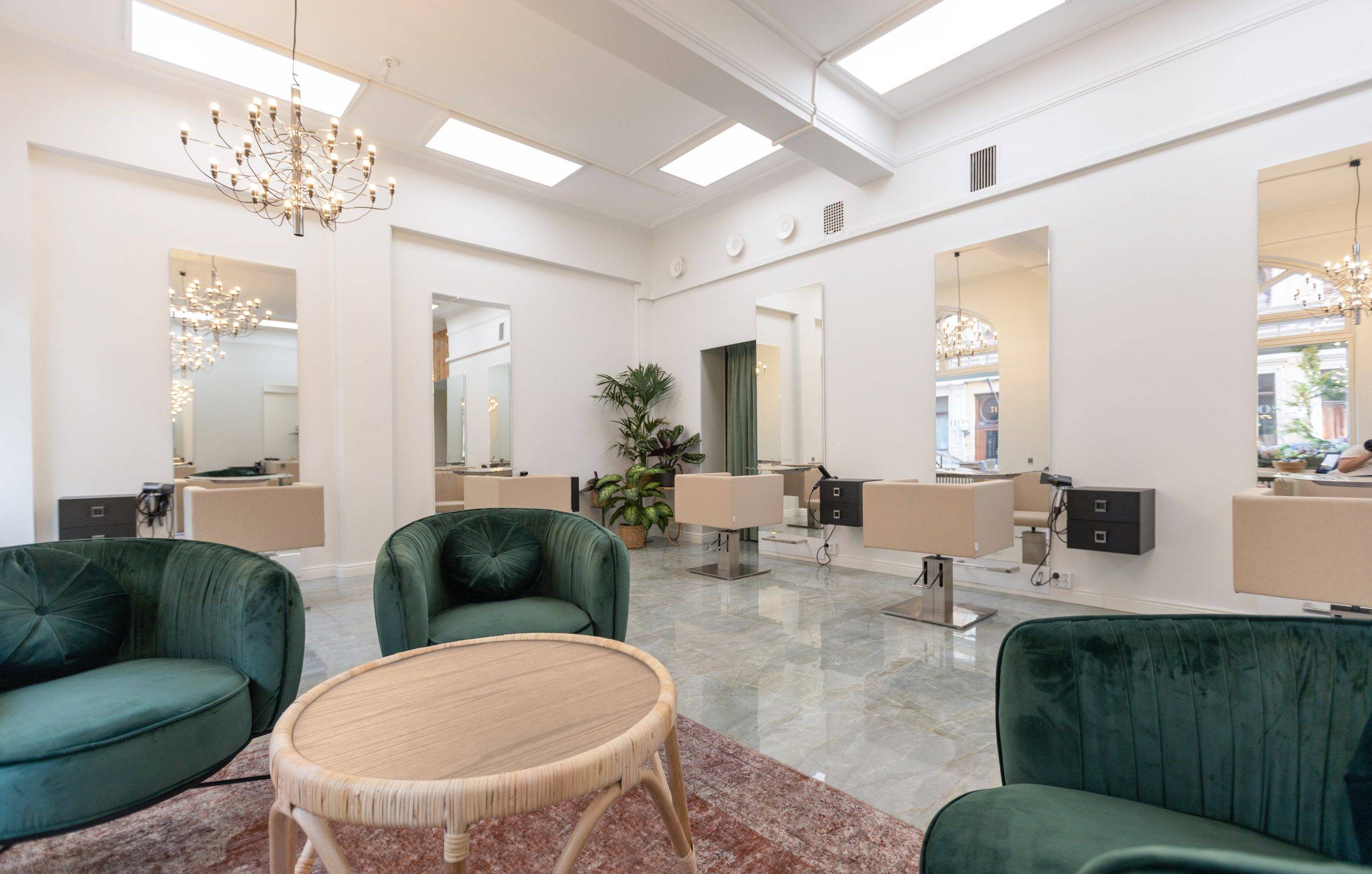
Direct + indirect light ( e.g. 70/30%) is a pendant light where the light can be switched up and down separately. Upward light increases the brightness of ceiling surfaces → lower perceived UGR and better spatial space. Downward light provides accurate working light where needed. The recommended opening angle of these is +110° for batch light and 30-60° for work light
Downlights
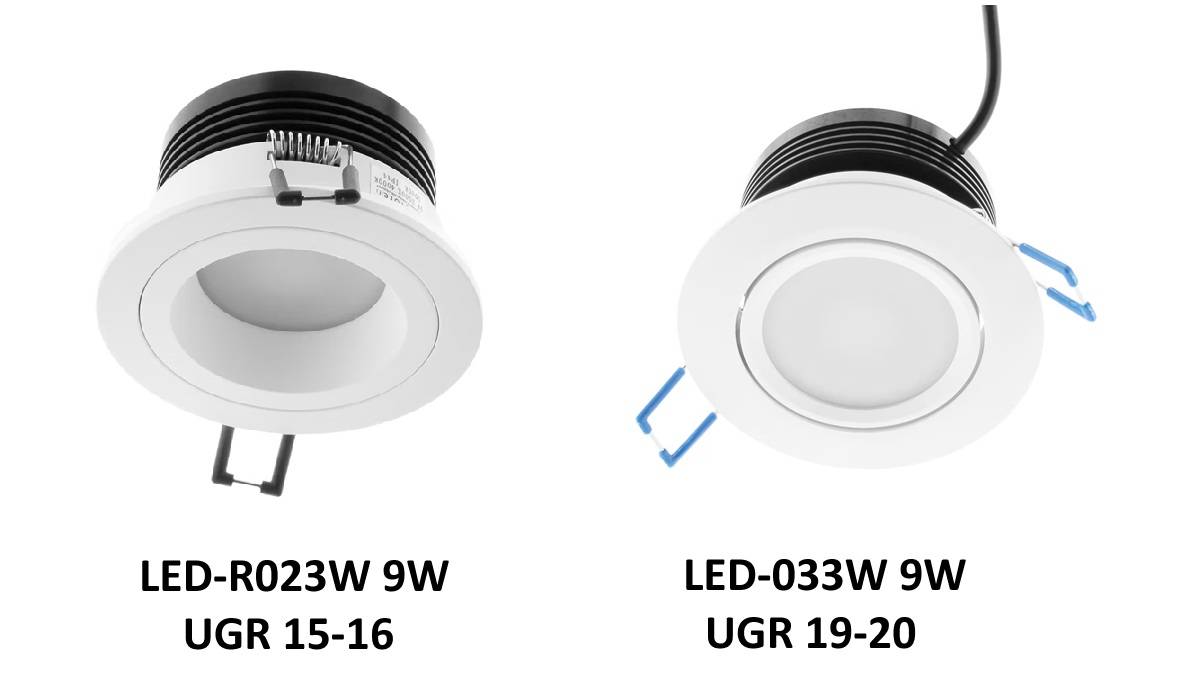
There are different solutions for traditional spots: embedded light source, diffuser, light on the surface, sharp spotlight. There is a place for everything and here are the best ones to reduce glare:
- Wide beam 90-110° + diffuser: pleasant general lighting for living rooms, bedrooms, corridors.
- Narrow wedge 30-60° + light source indentation: precise aiming of the work/display point or work surface; avoid direct line of sight (UGR).
LED strip lighting
- A direct line of light on the ceiling, surface or recessed (opal diffuser, 100-120°) provides uniform ambient light.
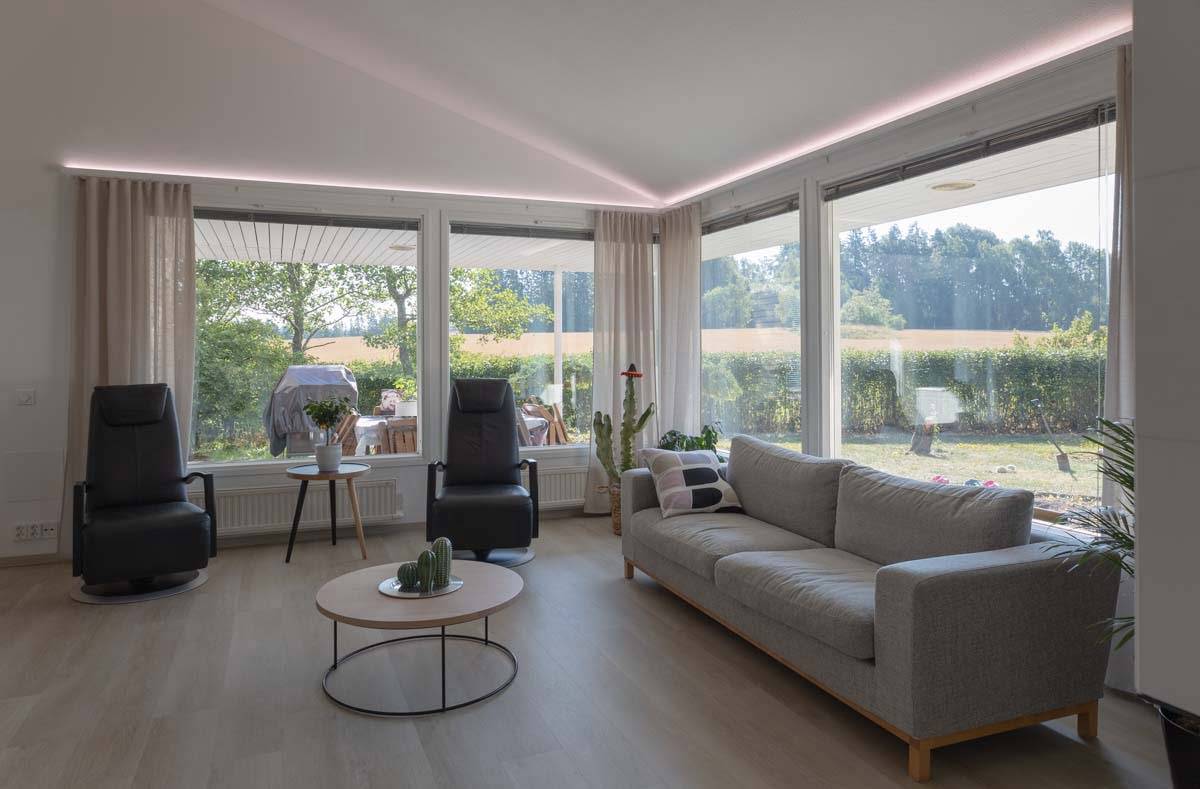
- An indirect light bar ( light towards the ceiling/walls) softens contrasts and reduces perceived glare - great for living rooms, bedrooms and reception areas. So-called complementary light.
Indirect lighting in practice
Indirect lighting (light reflected from the ceiling/walls) balances luminance and improves visual comfort. Combine indirect general lighting and spotlights as a whole. Dimmer towards evening and adjust CCT: 2700-3000 K for relaxation, 3500-4000 K for everyday use, 4000-6000 K for precise work.
Home use - farm-specific recommendations (in the spirit of EN 12464-1)
| Status | Recommendation-lux | Objective-UGR | Recommended light | Keila / attention |
|---|---|---|---|---|
| Living room | 200-300 | ≤ 16-19 | LED panel, light line or spot + indirect light | 90-110° for general light, 30-60° for destinations |
| Bedroom | 100-200 | ≤ 19 | Indirect light + small downlights | Wide beam; reading light 30-60° |
| Kitchen in general | 300-400 | ≤ 19 | Panels/light lines in the ceiling | 90-110°; good CRI (≥90) |
| Kitchen worktop | 500-750 | ≤ 19 | Targeted downlights / LED strip for worktop | 30-60° facing the leading edge |
| Bathroom | 200-500 | ≤ 19 | Panel + mirror light | Flat, glare-free (IP zones!) |
| Home office | 500 | ≤ 19 (preferably ≤ 16) | Low-glare panel / direct+direct | 80-100°; avoid direct viewing angle |
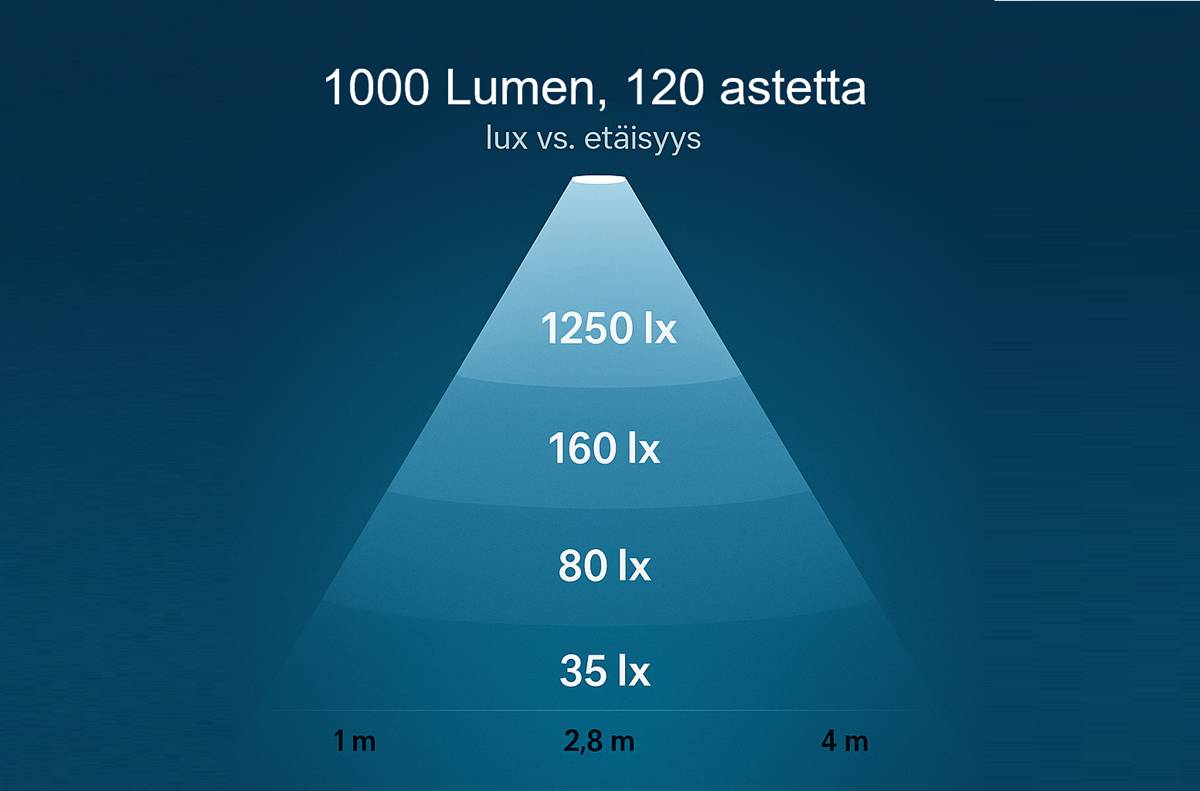
Remember that the number of lux is not the same as the number of lumen! The lux number decreases as the distance increases. It is affected by the angle of opening and the mounting height.
You can read more about the angle of incidence of light in our article The effect of the angle of incidence of light on lighting
Working environments - site-specific recommendations according to EN 12464-1
| Status | Minimum-lux | UGR limit | CRI | Lighting solution |
|---|---|---|---|---|
| Open office, display terminals | 500 | ≤ 19 | ≥ 80 | Low-glare panels, direct-to-reverse; daylight and presence control |
| Meeting room | 300 | ≤ 19 | ≥ 80 | Panels + wall surface light (uniformity) |
| Precision work/CAD | 750-1000 | ≤ 16 | ≥ 90 | Narrow wedge for workstations + background indirect |
| Class of the establishment | 300-500 | ≤ 19 | ≥ 80 | Panels, good wall and panel surface lighting |
| Health care treatment room | 500 | ≤ 19 | ≥ 90 | Glare-free general lighting + high CRI |
| Shop | 750-1000 | ≤ 22 | ≥ 90 | Spotlights for highlights + uniform general lighting |
How to measure and size in practice
Lux measurement
Measure from several points on the work surface; calculate the average. Check for glare and shadows. Phone apps are indicative - a calibrated meter is the most reliable.
Fast snow → volume -measurement
Lumens required ≈ surface area × target lumen. Divide the resulting lumen quantity among the lights and use a wedge angle/UGR to ensure that the light hits the right spot without glare.
Common mistakes and how to avoid them
- UGR forgets: bright pinpoint light in the field of vision is tiring. Use low-glare panels, dimming and indirect.
- Just remember: wattages do not indicate lux; measure according to the target lux.
- Lack of uniformity: increase illumination of wall and ceiling surfaces; straight-on often best.
- Low colour rendering: for kitchen/health CRI ≥ 90.
Get the right lights - with expert help
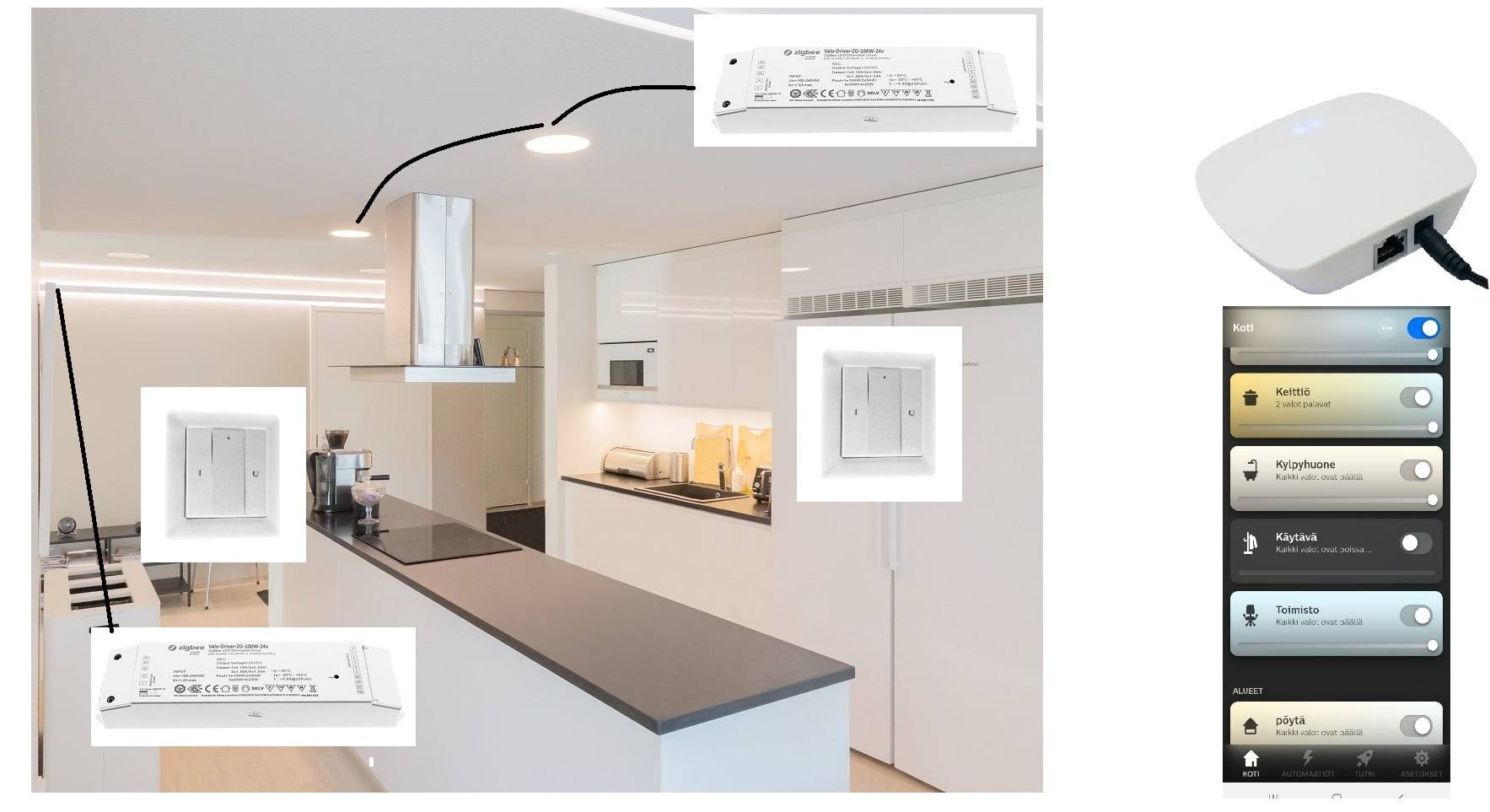
Do you need a UGR< 19 panel, a direct-opposite solution, an indirect LED strip or downlights with 30-60°/90-110° wedges? Ledstore.fi offers a wide range of LED panels, CCT adjustable solutions, DALI controls, Zigbee and indirect lights for home and office. We help with sizing and lighting design.
Frequently asked questions (FAQ)
- What is the UGR value for the office?
- Recommended for EN 12464-1 ≤ 19; for precision work ≤ 16. For home office use ≤ 16-19.
- How does indirect lighting help?
- It diffuses light through ceiling/wall surfaces, balancing luminance and reducing glare → lower perceived UGR.
- What angle of bowling home (2,6-3,0 m)?
- In general light, 90-110° with diffuser; in targets, 30-60° directed away from the direct field of view.
- How much light do I need?
- Multiply the m² of space by the target lx (e.g. living room 20 m² × 250 lx ≈ 5000 lm total). Divide the lumen quantity between the lights and check the UGR.
For more information on the concepts of Lux and Lumen . EN 12464-1 is available from the SFS shop and industry distributors.