LED lighting for stairs is an excellent way to combine practicality, safety, and aesthetics. Well-designed stair lighting helps prevent trips and falls while adding atmosphere to the space. The lighting can be discreetly integrated into the structures, resulting in a refined and stylish finish. Properly planned lighting highlights the stair structure and makes movement easier in low-light conditions. LED stair lighting is suitable for both new builds and renovation projects, with solutions available for every style and budget. In this article, we present different options for stair lighting, considering appropriate light output, color temperature, the specific requirements of outdoor stairs, and available lighting control solutions.
Three effective ways to light staircases
LED stair lighting can be implemented in several different ways, depending on the desired look and the structural possibilities. Stair lighting usually requires a fair amount of integration, making it easiest to carry out during a major renovation or in new construction. However, there are also effective solutions available for retrofitting.
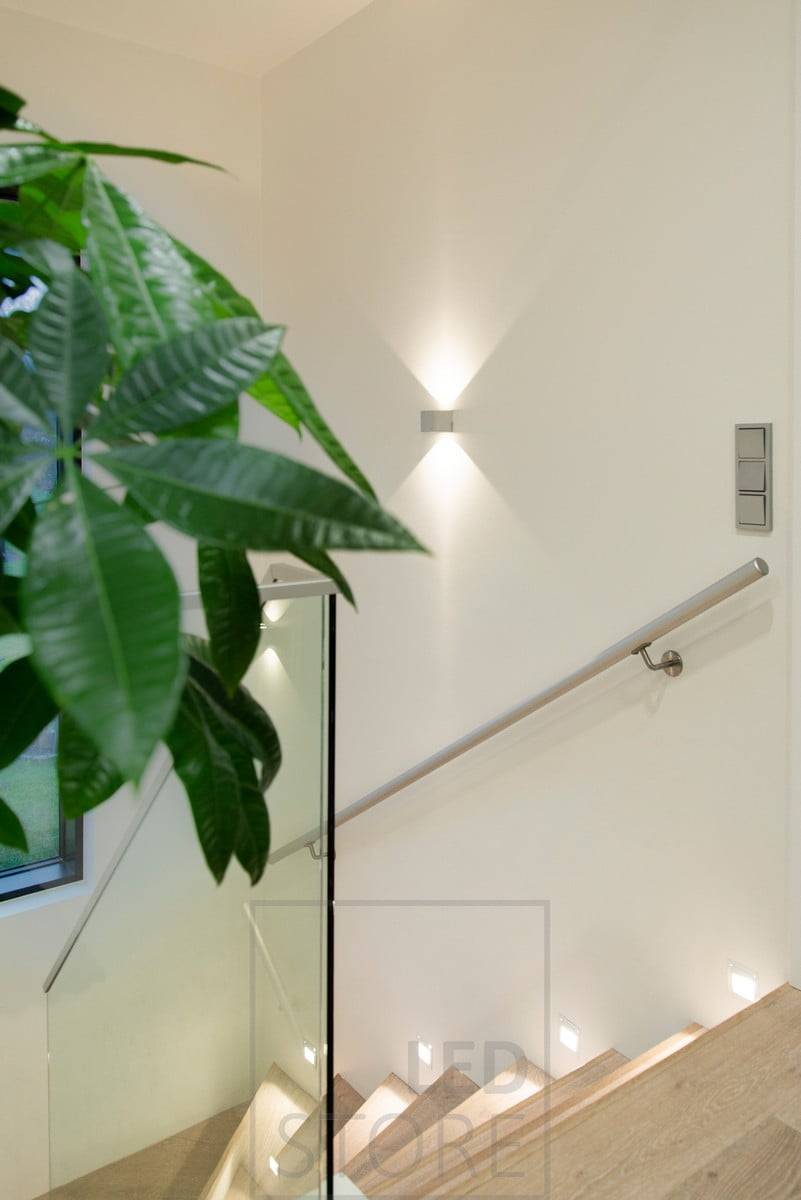
One of the most popular options is wall-mounted lighting, where small LED luminaires are installed on the wall alongside the stairs. They create a rhythmic light pattern, highlight the steps, and improve safety without causing glare. Small luminaires can also be recessed into the front edge of each step. This option is commonly used, for example, on terraces to accentuate small level differences and to make movement easier.
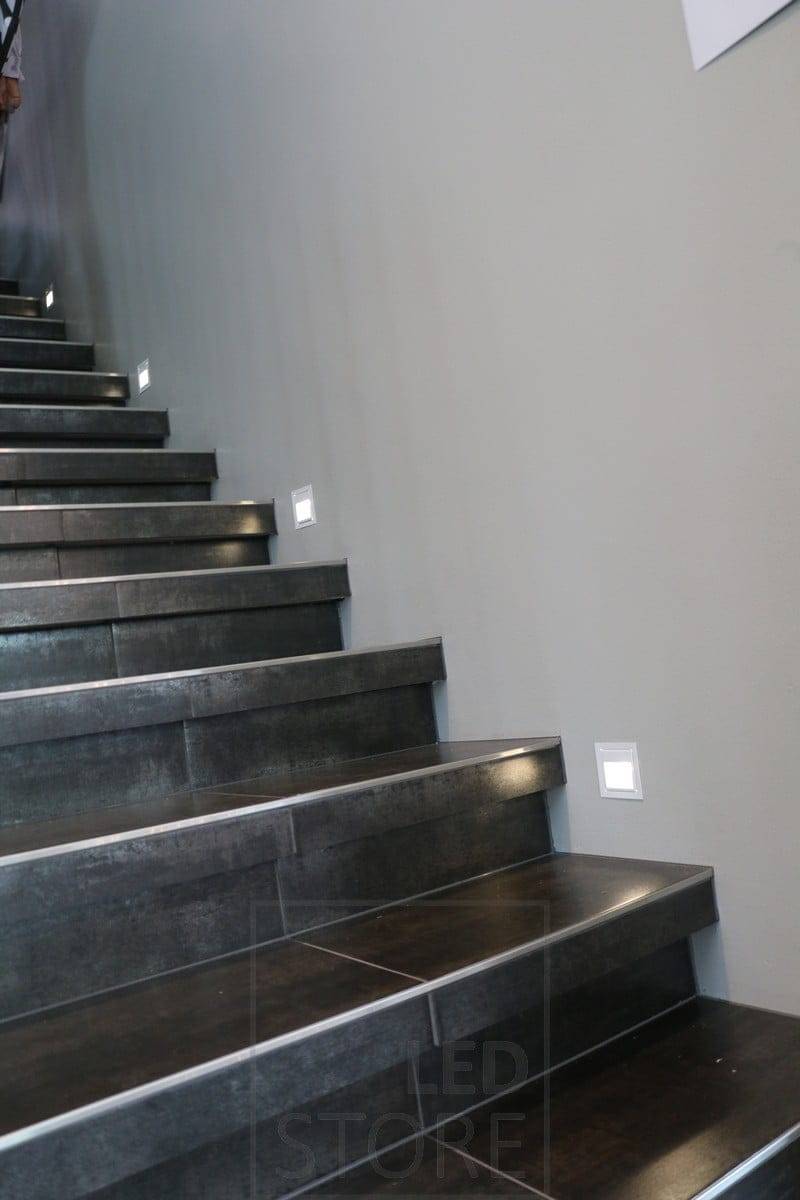
Another effective approach is to install LED strips on the underside of each step, recessed into a groove. This solution is particularly discreet and subtly highlights the form of the stairs.
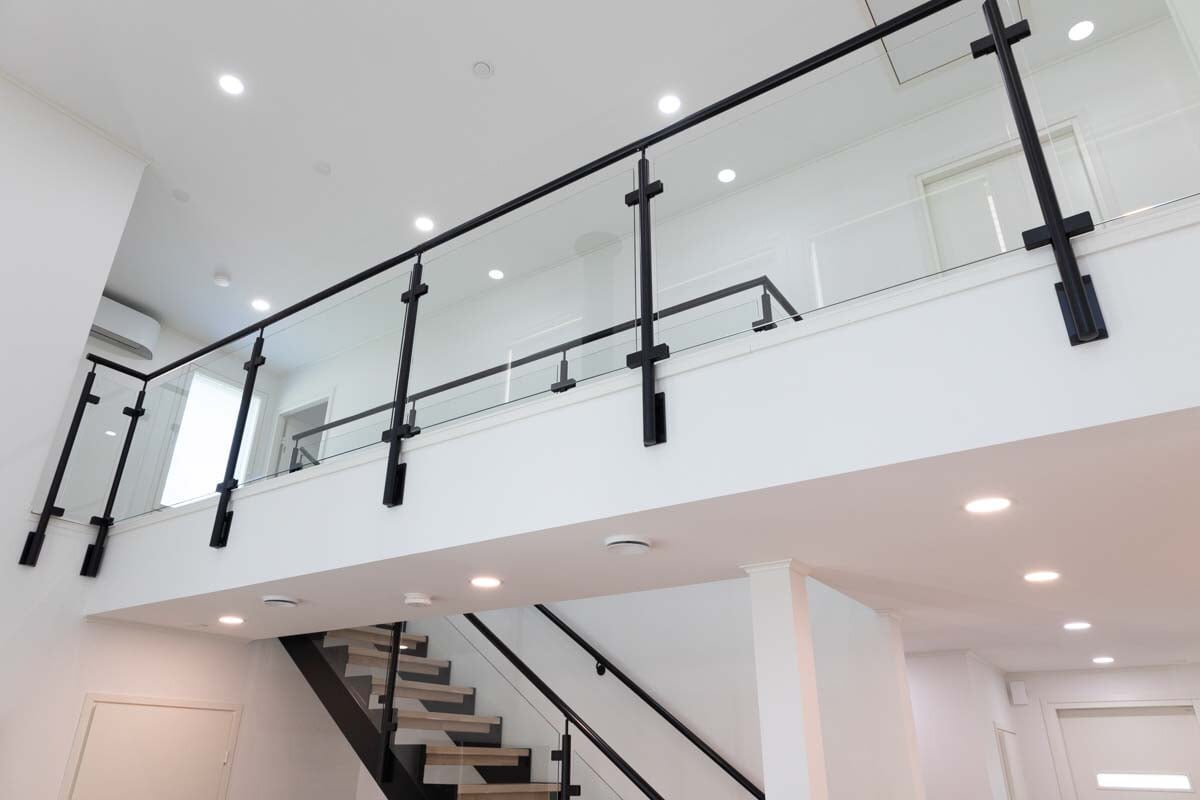
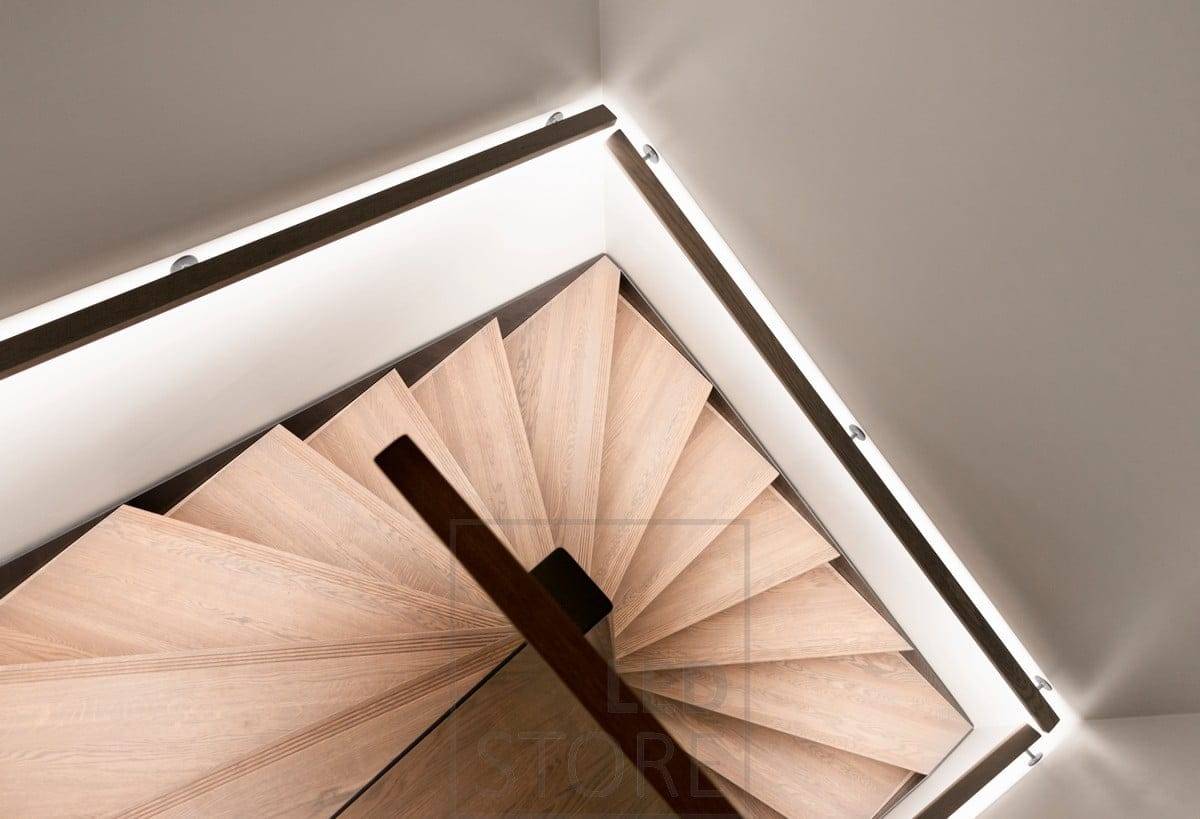
A third effective option is an LED strip integrated into the handrail using an aluminum profile. Installed on the underside of the handrail, the strip lighting provides even, glare-free illumination along the entire staircase.
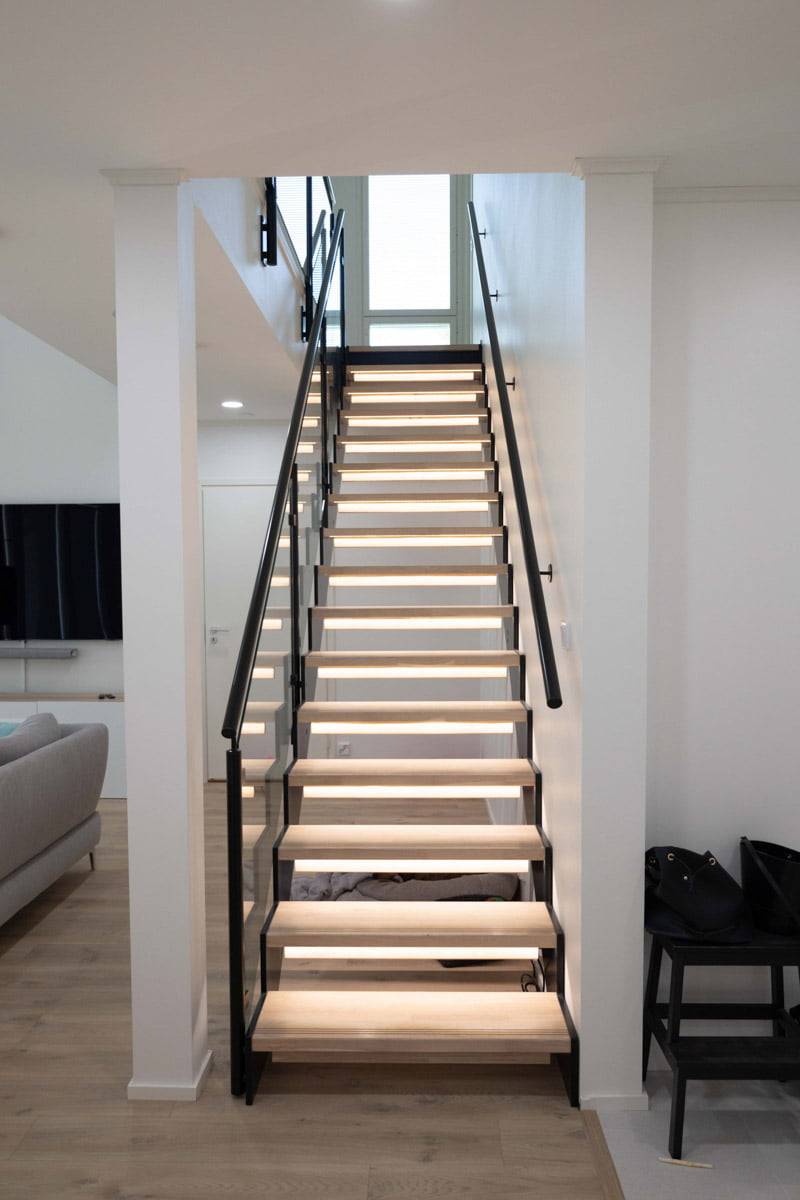
All three solutions can be used both indoors and outdoors, and they can also be combined with features such as motion sensors. The design and placement of the luminaires have a significant impact on the atmosphere and visual character of the space.
How much light is needed in stairs?
Stair lighting does not require high light output, as the light is installed very close to the walking surface. Excessive brightness can even cause glare and make stairs feel unsafe. The best results are achieved by using indirect or directed light that does not shine directly into the eyes.
For example, an LED strip installed on the underside of a handrail provides pleasant and even illumination throughout the entire staircase. The recommended light level is typically achieved with an LED strip at 3–7 W/m and 200–500 lumens per meter, or 1–3 watts per luminaire in wall-mounted applications.
Dimmability is recommended, as it allows the light level to be adjusted according to the time of day and specific needs. In stair lighting, directing LEDs downward reduces glare and improves user comfort. Balancing light output is especially important indoors, where lighting should blend seamlessly with the surrounding interior. LED stair lighting is therefore an integral part of a home’s or building’s overall lighting design.
LED lighting for outdoor stairs
LED lighting in outdoor stairs requires special attention to weather resistance and placement. Luminaires recessed into the ground or steps can become covered by snow in winter and lose their effectiveness. For this reason, we recommend using wall-mounted or handrail-mounted lights outdoors, as they remain effective even in winter conditions.
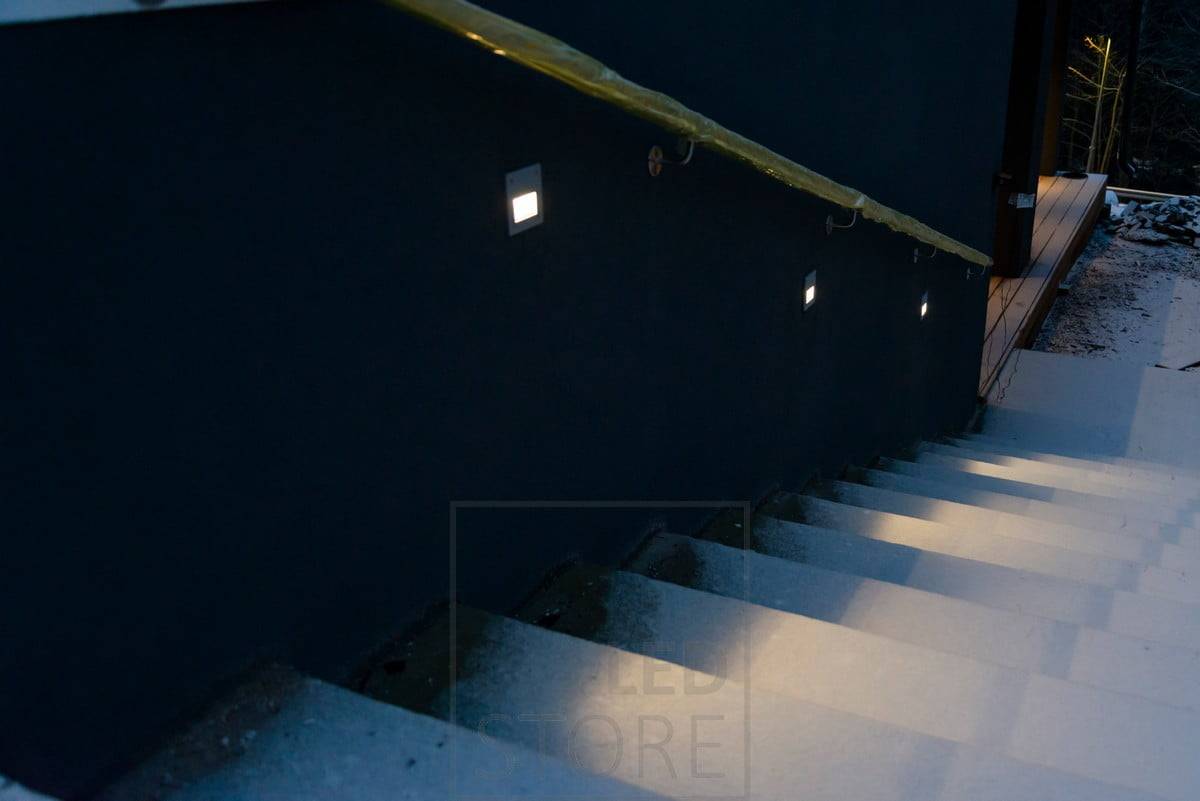
Outdoor luminaires must be sufficiently sealed and rated at least IP65. A good solution is to install an LED strip into a metal or wooden handrail, where the light is protected and remains functional year-round. Wall-mounted luminaires can also be installed along the side of the stairs so that they illuminate the steps effectively.
Durable luminaire materials, such as aluminum and stainless steel, ensure a long service life. In addition to improving safety, LED stair lighting adds visual appeal to areas such as the entrance of a home or a garden pathway.
Choose the right color temperature
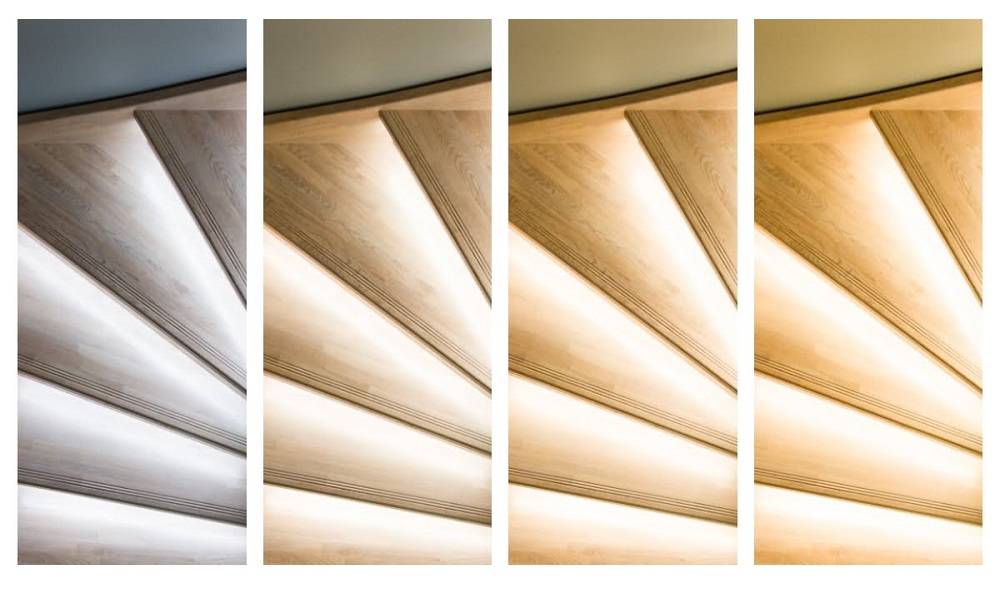
Color temperature refers to the tone of white light. Warm white light (2700–3000 kelvin) creates a cozy and calming atmosphere, especially indoors. Neutral white light (4000 kelvin) suits a modern style and provides excellent visibility outdoors. Cool or bluish light (5000 K and above) can create uncomfortable contrast and is generally not recommended for step and stair areas.
LED stair lighting depends on the surrounding environment and the tones of the stair materials. The key is to ensure that the lighting does not cause glare while clearly highlighting each step. Keeping the light color consistent with the rest of the spaces creates a harmonious overall look. Most LedStore luminaires are available in 3000 K or 4000 K color temperatures, or with adjustable color temperature (CCT-adjustable LEDs). Choosing the light color is both a visual and functional decision and should be made according to the intended use of the space.
Smart lighting: motion detection, wireless control, and automation
LED stair lighting can be combined with various control solutions that make everyday use easy and convenient. Motion sensor–controlled lighting turns on automatically when someone enters the staircase—an excellent solution for nighttime use or outdoor stairs. Wireless control allows the lights to be adjusted using a remote control or a wall switch.
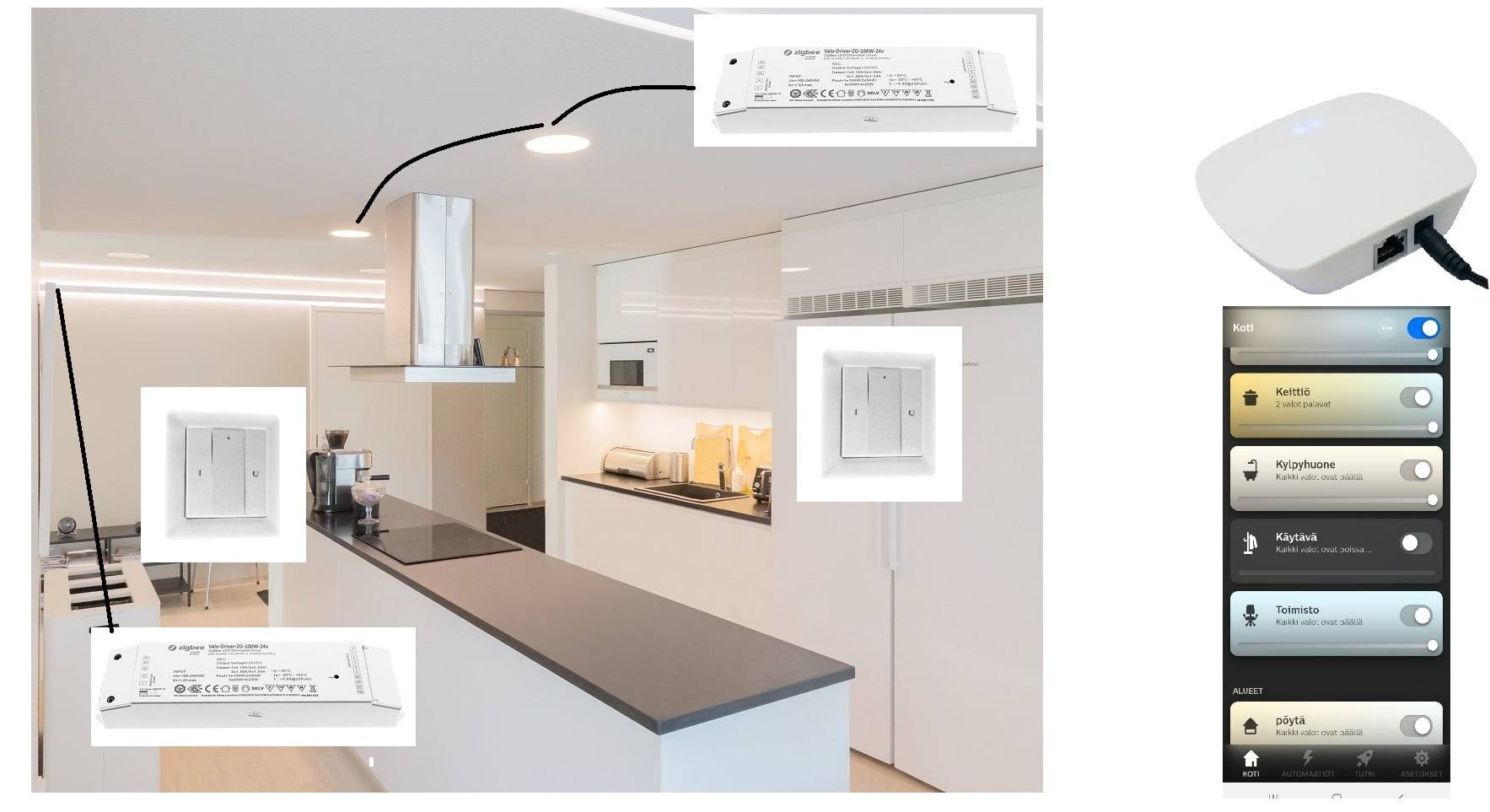
Smart lighting solutions such as DALI, Zigbee, Tuya, or other Wi-Fi–controlled systems can be integrated into home automation. This allows lighting to be scheduled, dimmed, or synchronized with other devices. Many systems also offer the ability to create lighting scenes (for example, night light or cleaning light), which can be activated with a single touch.
Staircase lighting can be implemented using the desired switching solutions, and the growing popularity of smart lighting adds convenience while saving energy by ensuring the lights are on only when needed. LED stair lighting can thus be integrated into the home’s overall smart lighting design. The choice of control solution is best made together with an electrician or lighting designer.
Summary: LED stair lighting
LED stair lighting offers versatile solutions for different spaces and usage needs. It enhances safety, highlights architectural features, and improves the comfort and usability of a home or building. Indoors, lighting can be integrated into walls, steps, or handrails, resulting in a refined and practical outcome.
Outdoors, the placement of lighting is especially important—proper positioning prevents luminaires from being buried under snow and extends their service life. Careful selection of color temperature and light output, along with the ability to adjust them, helps create a pleasant lighting environment.
With smart control or motion sensors, stair lights operate automatically whenever they are needed. We at LedStore are happy to help you choose the right solutions and products and design a functional lighting concept—whether for a new build or a renovation project.
Get in touch, and let’s make your staircase perfect with light.